
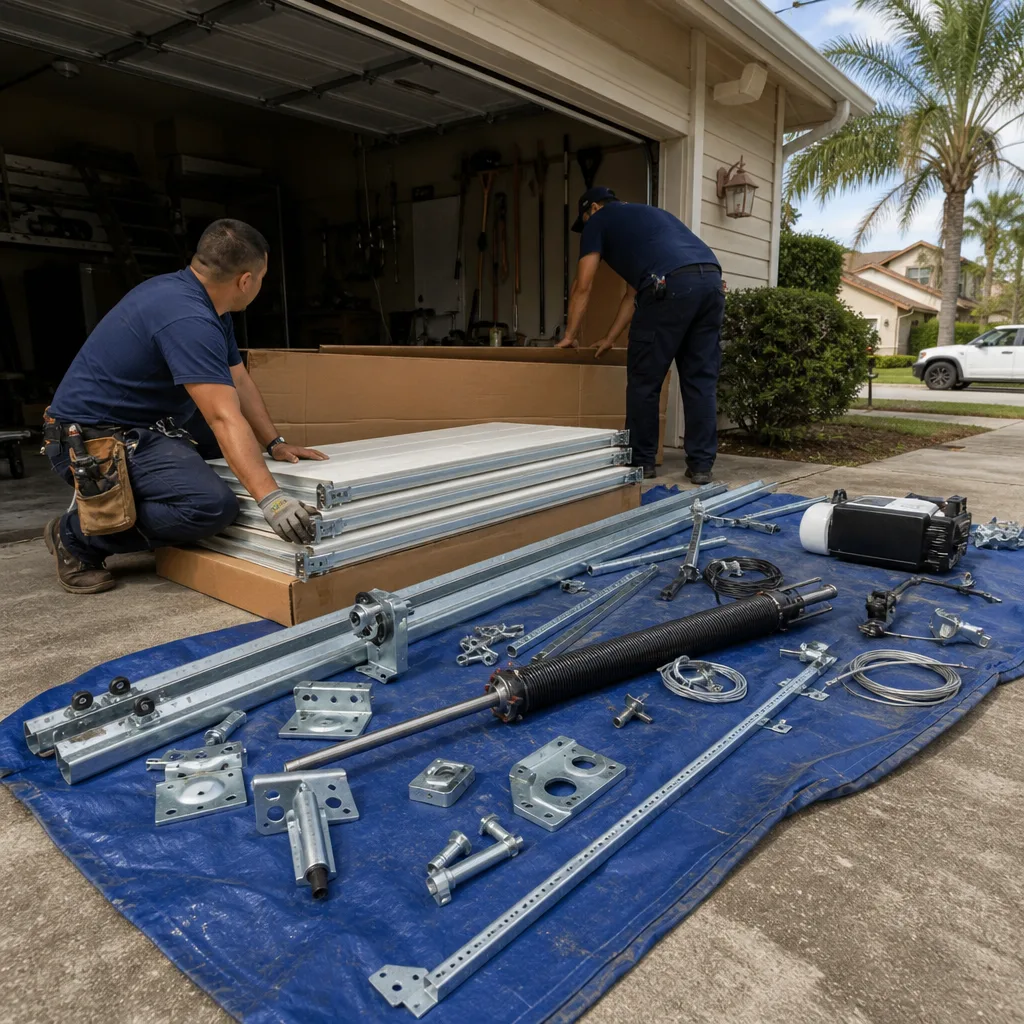
Last updated November 23, 2026
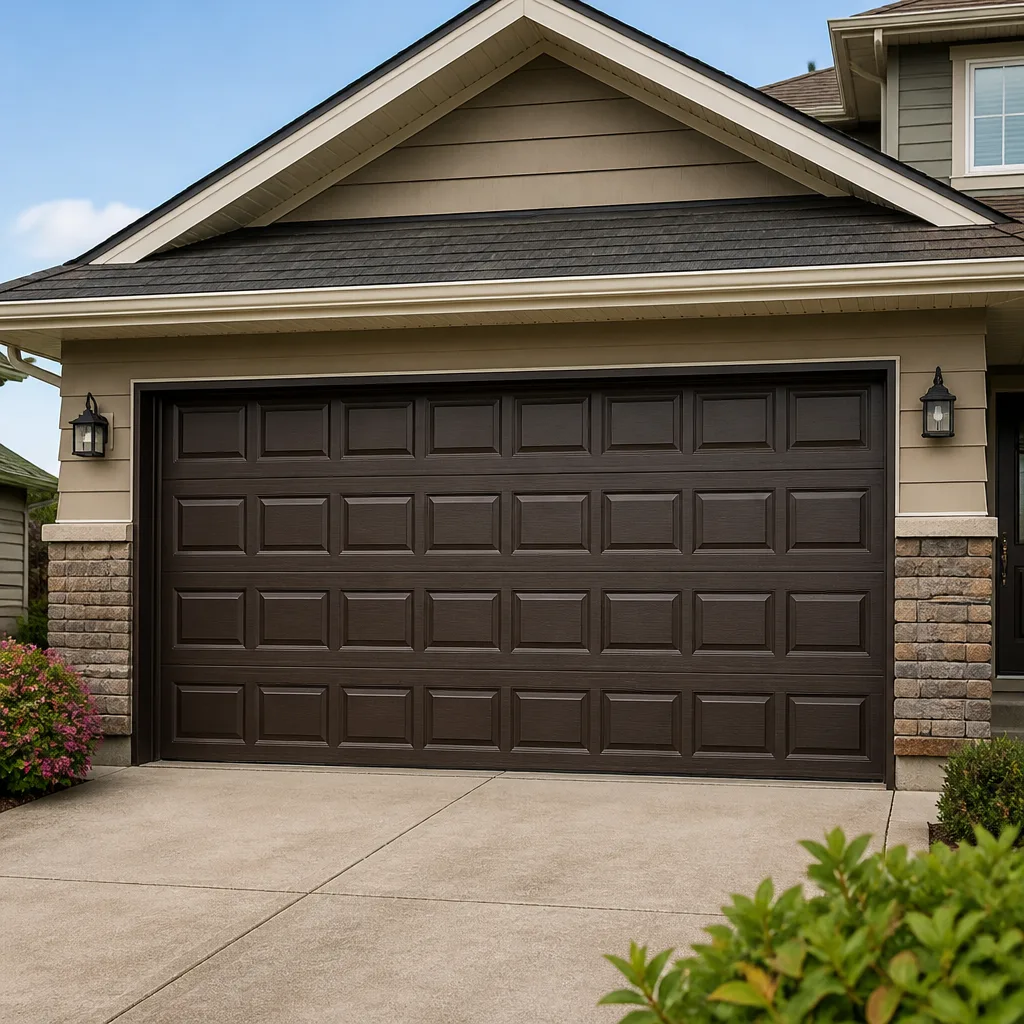 Raised-panel steel
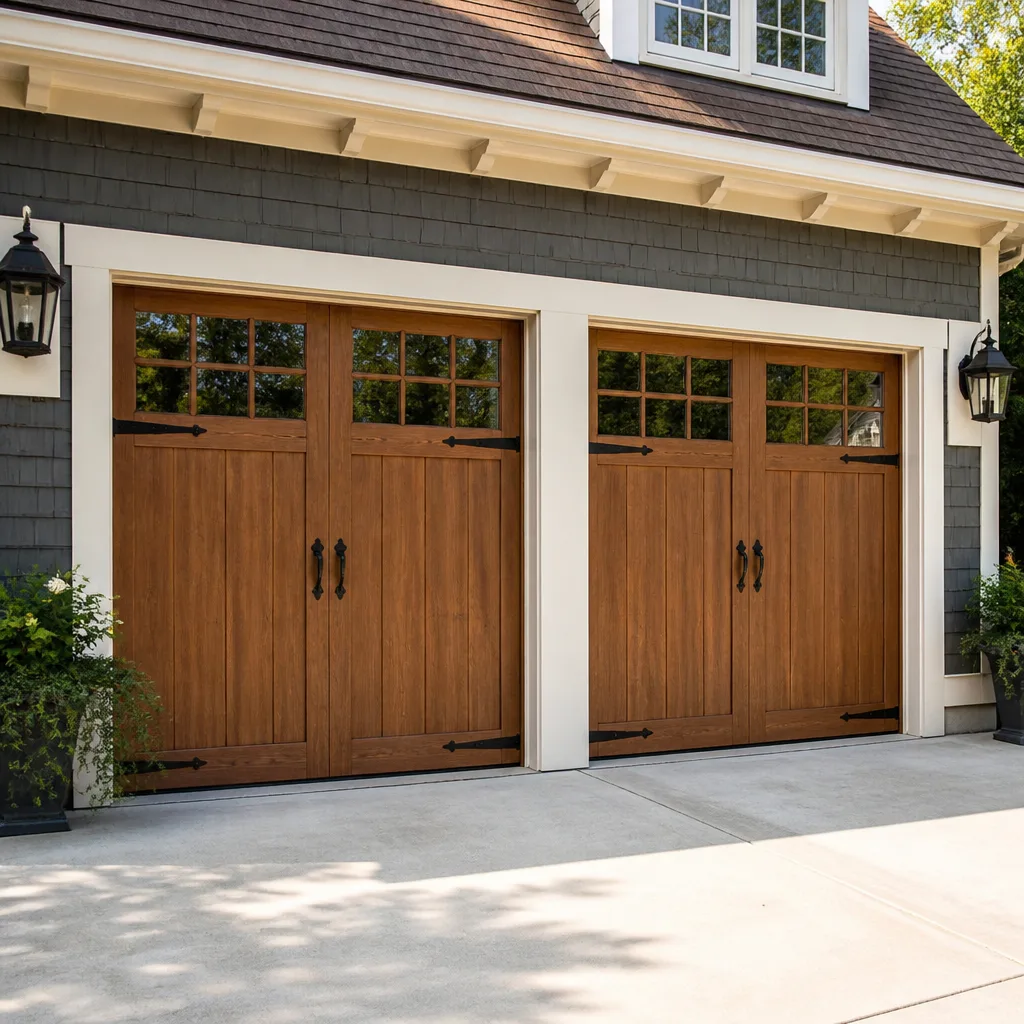 Carriage house
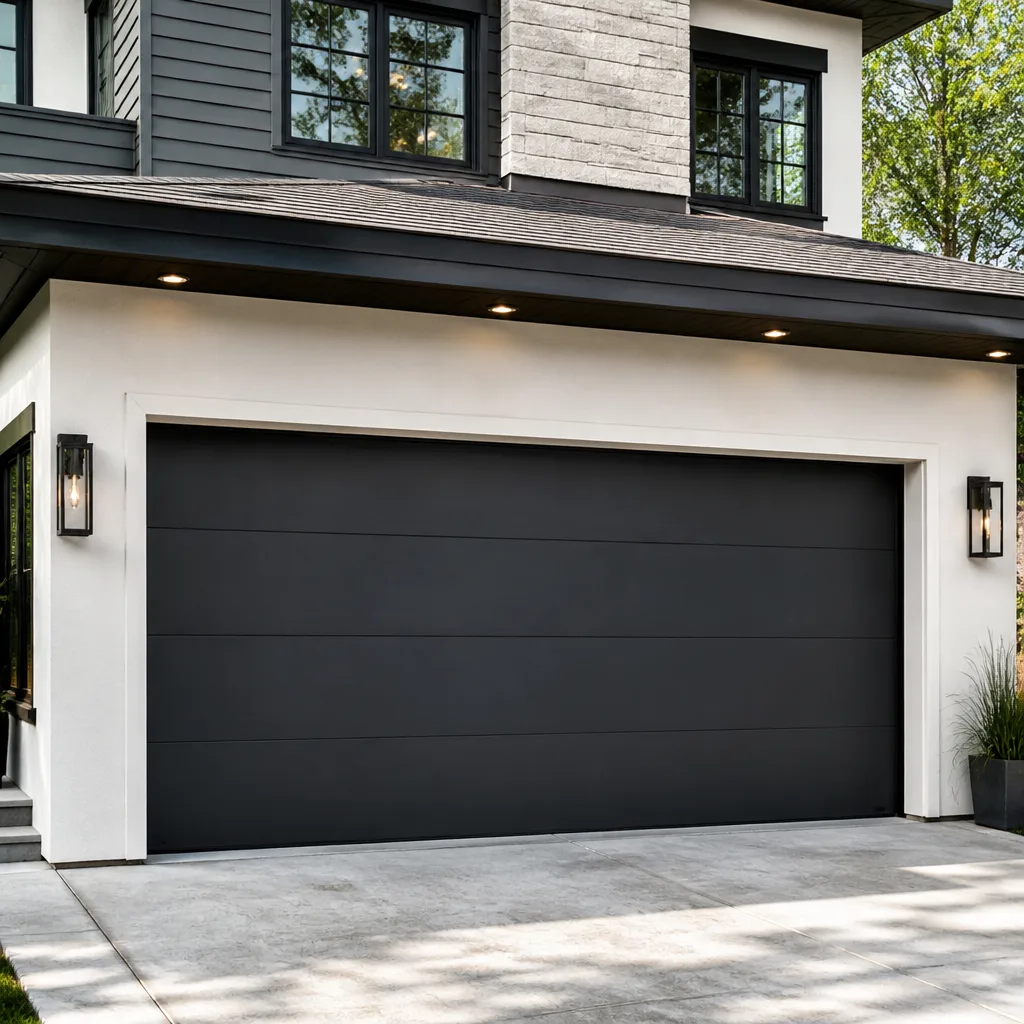 Modern flush
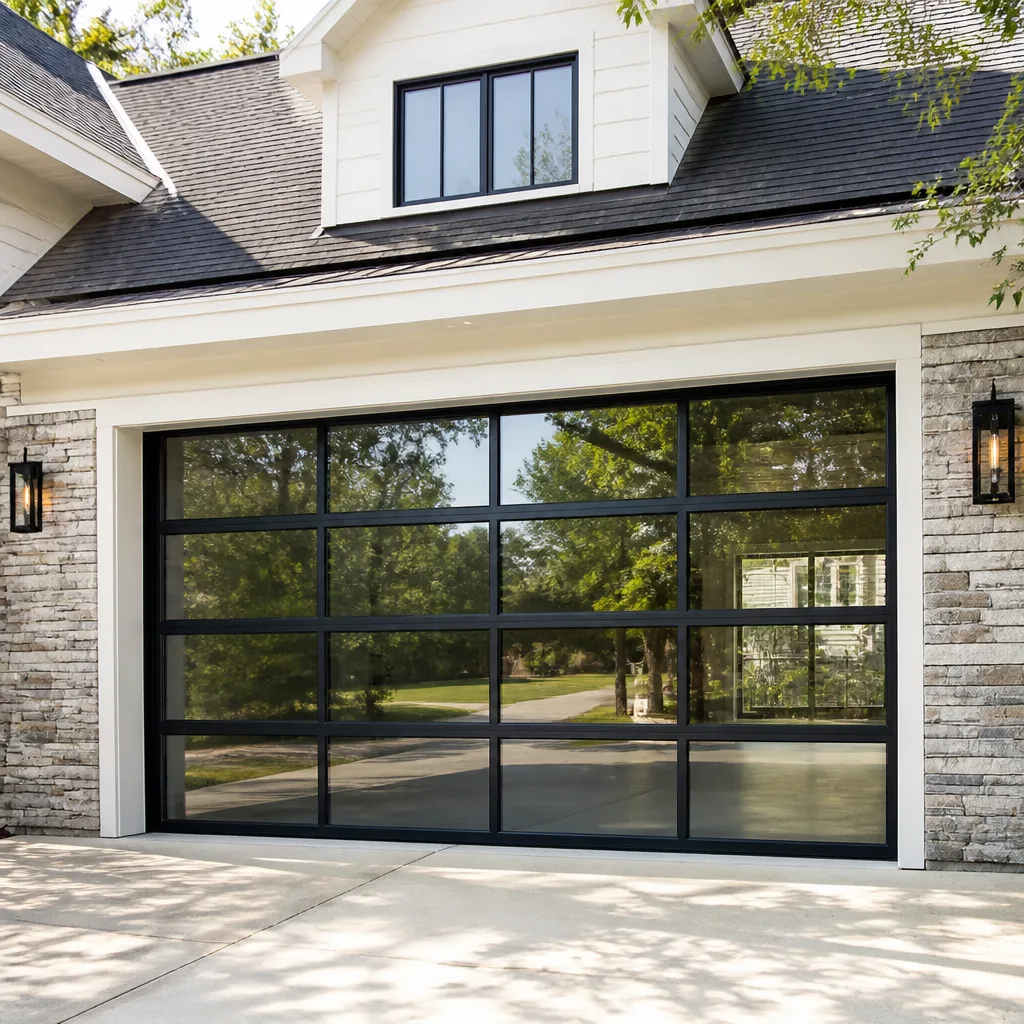 Full-view glass
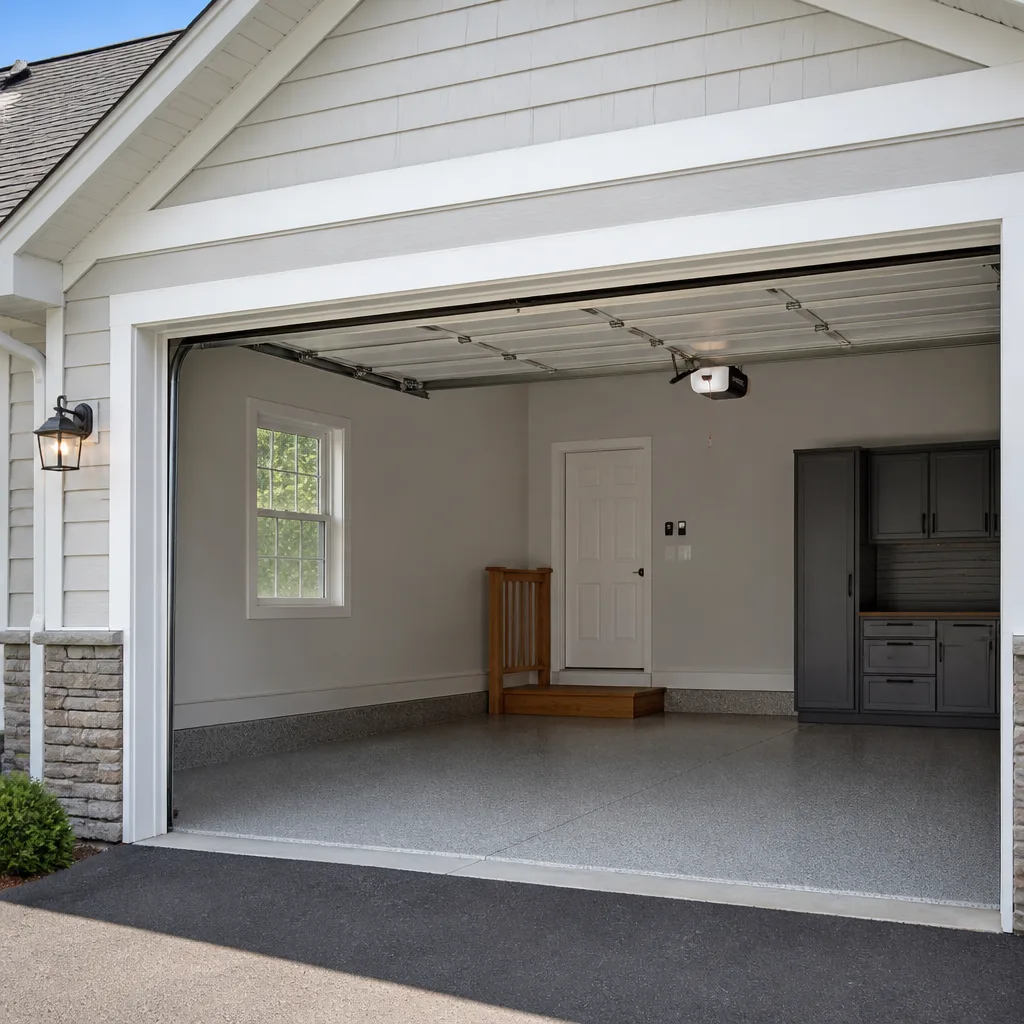 LiftMaster openers
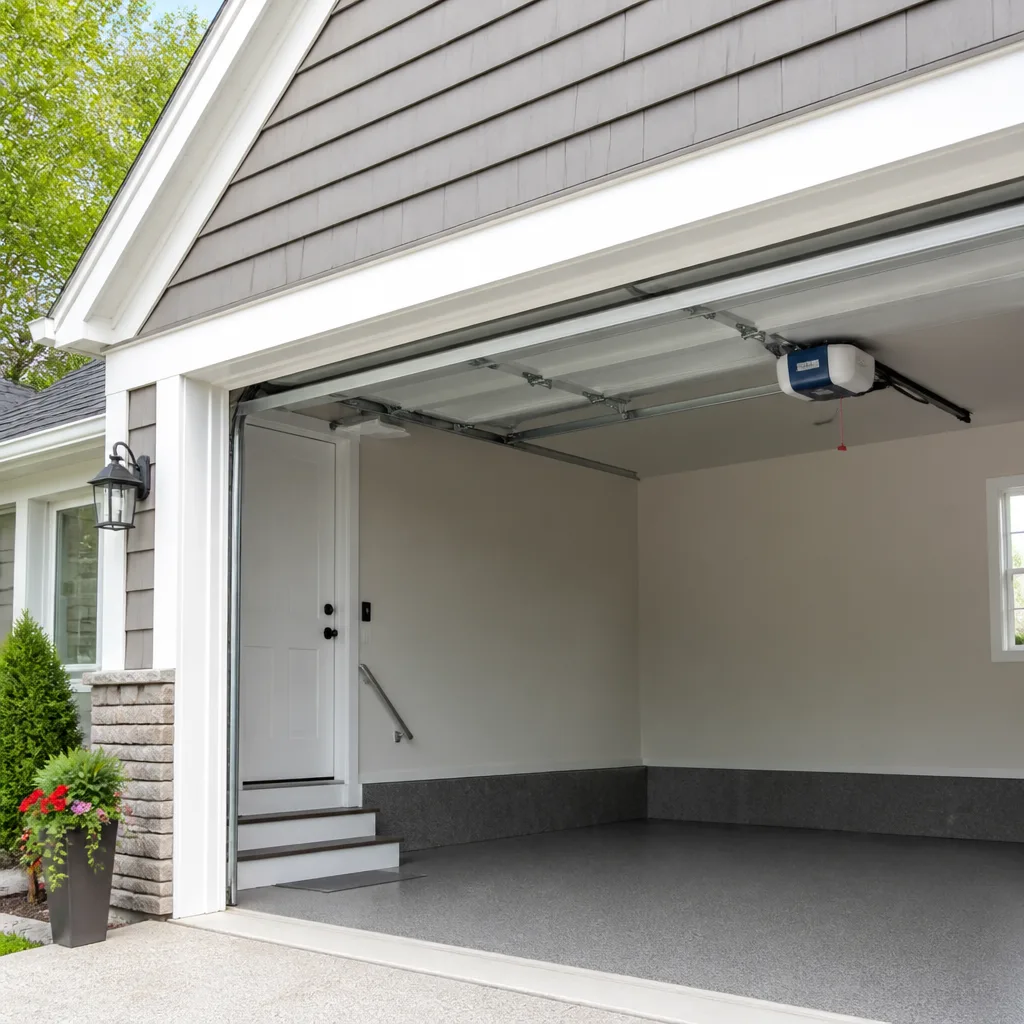 Chamberlain openers
Full 25-point door and opener safety check with every visit - springs, cables, rollers, tracks, and your LiftMaster or Chamberlain opener included
You get a price before we start. It does not change when the pro arrives.
Get your free estimateGarage Door Cost Breakdown: The Jupiter Homeowner’s Reference for 2026
Nearly every national cost guide you’ll find quotes a garage door replacement at around $1,100. That number is useful as a starting point and misleading as a plan. In Jupiter, a code-compliant steel door installed in the High-Velocity Hurricane Zone (HVHZ) typically starts closer to $1,600 before permits, haul-away, or any opener work enter the picture. The gap isn’t a contractor padding a bill. It’s the real cost of doing the job legally in a county that demands storm-rated products, inspected installation, and documented disposal. This guide breaks down every line item a Jupiter homeowner will see in 2026, flags where quotes hide costs, and gives you the dollar threshold where repair stops making sense and replacement starts. If you’d rather skip straight to a number, Jupiter Garage Door Repair Co offers free written estimates.
Quick Answer
A standard single-car garage door replacement in Jupiter runs roughly $1,600 to $2,800 installed in 2026, and a double-car door typically lands between $2,400 and $4,200, both figures including HVHZ-rated hardware, Palm Beach County permits, labor, and disposal. Opener replacement adds $350 to $850 depending on the model and whether the rail and wiring need attention. Spring repair, the most common service call, falls in the $180 to $340 range per spring, with matched pairs commonly replaced together. These are typical estimates; your written quote is the final number.
Styles & brands we work with
- Raised-panel steel
- Carriage house
- Modern flush
- Full-view glass
- LiftMaster openers
- Chamberlain openers
Table of Contents
- Line-Item Cost Breakdown for Jupiter
- Brand-by-Brand Price Positioning
- Where Jupiter Homeowners Overpay
- Repair vs. Replace: The Dollar Threshold
- How to Read a Quote for Hidden Costs
- Why Jupiter Doors Wear Faster
- The Permit Process, Step by Step
- Frequently Asked Questions
Line-Item Cost Breakdown for Jupiter
Most homeowners compare a single installed price against another single installed price and never see what’s inside them. That’s exactly where quotes diverge. A $1,600 door and a $2,300 door can contain the same panel; the difference is often the hardware rating, the permit handling, and whether disposal is included or tacked on at the end. Here’s what each line should look like in a 2026 Jupiter estimate.
| Line Item | Typical 2026 Range (Jupiter) | What Drives the Number |
|---|---|---|
| Door product (single, steel) | $850 – $1,500 | Insulation, panel style, window inserts, brand tier |
| Door product (double, steel) | $1,400 – $2,600 | Same factors, larger span |
| HVHZ-rated hardware set | $180 – $420 | Wind-load rating required by code; hinges, tracks, brackets |
| Palm Beach County permit | $150 – $400 | Job valuation and municipality; some Jupiter addresses are unincorporated |
| Labor and installation | $500 – $900 | Door complexity, track configuration, existing opening condition |
| Haul-away and disposal | $75 – $200 | Whether included or billed separately |
| Opener integration (if replacing) | $350 – $850 | Model, rail, wiring, safety sensor replacement |
Two things stand out when you total those figures. First, the door product itself is usually less than half the job. Second, the HVHZ hardware and permit lines are the ones national guides leave out entirely, which is why the online average and the Jupiter quote rarely match. If you’re replacing a door that’s over a decade old, the track and bracket set is often the first thing a technician flags, because the original hardware was likely rated to a lower standard than current code requires.
For a repair that only touches part of the system, the pricing looks different. A garage door repair call for a bent track, off-center panel, or failed roller is typically a fraction of a replacement and doesn’t require a permit. The line-item logic is the same, though: hardware, labor, and whether the technician can match the existing system.
What the Permit Actually Covers
Palm Beach County and the Town of Jupiter both require a permit for a garage door replacement, and the inspection verifies the installed product meets HVHZ wind-load requirements. That’s not paperwork for its own sake. It ties directly to whether your door holds under a named storm and whether your home passes future inspection when you sell. Quotes that skip the permit line aren’t saving you money; they’re pushing a cost into a later problem.
Brand-by-Brand Price Positioning
Garage door brands aren’t interchangeable, but the differences are narrower than the pricing suggests. What you’re actually paying for splits into two buckets: product quality (steel gauge, insulation, finish warranty, panel construction) and brand premium (dealer network, advertising, name recognition). In Jupiter’s market, both matter, but they matter differently depending on whether you’re replacing a door or repairing one.
- Clopay sits at the higher end of the residential range. You’re paying for panel construction and finish durability that holds up well in a humid subtropical climate. Worth the premium if you plan to stay in the home.
- Amarr offers a strong middle tier. Panel selection is wide, HVHZ-rated options are common, and the brand premium is smaller than Clopay’s. A frequent pick for Jupiter homeowners who want storm rating without the top-tier price.
- Wayne Dalton spreads across the range, with entry-level and mid-tier options. Good for secondary properties and rentals where functional value outweighs finish quality.
- Genie is primarily an opener brand, though it appears in package pricing. When Genie shows up in a door quote, it’s usually the opener line, not the door.
Here’s the part most homeowners miss: on a repair, brand barely changes the price. A torsion spring, a cable, a roller, a hinge, or a track section costs roughly the same regardless of who manufactured the door. What brand does affect is whether the technician knows the system on arrival, which is why we train on the major brands rather than guessing at unfamiliar hardware. Our technicians have up to 14 years of experience across LiftMaster, Chamberlain, Genie, Clopay, Amarr, Wayne Dalton, Craftsman, and Raynor systems, so a Wayne Dalton track issue isn’t a diagnostic exercise.
One more note on brand premium. When a quote pushes you toward a brand you’ve never heard of at a price that rivals Clopay, ask what changes. Usually the answer is panel gauge, insulation, or warranty length. Those are worth understanding, because a door that looks the same on the driveway can hold very differently after a decade of humidity and sun.
Where Jupiter Homeowners Overpay
The most expensive line on a quote is usually the one that adds no functional value. In Jupiter’s specific environment, several upgrades get sold at the estimate stage that don’t translate to better performance or longer life. Here’s where we see money spent that didn’t need to be.
- Premium insulation packages for unconditioned garages. A garage that isn’t climate-controlled gains little from an R-value upgrade beyond what a standard insulated panel provides. The difference shows up on the invoice, not on the thermostat.
- Decorative hardware upgrades priced as a bundle. Carriage-style hinges and handles are aesthetic. They don’t improve wind rating or durability. If they’re in the quote, make sure they’re in a separate line so you can drop them if the budget is tight.
- Opener replacement sold alongside a door that already has a working opener. If your opener is under 8 years old and functioning normally, replacing it during a door swap is usually unnecessary. Note: opener pairing with a new door is sometimes a real issue, worth asking about before assuming.
- Window inserts at the estimate stage on a south-facing door. Inserts add cost and reduce the panel’s structural surface. In a door that takes direct afternoon sun, they can also fade faster. Ask whether they’re needed for your layout or added by default.
- “Standard hardware” substitutions when the quote didn’t specify HVHZ-rated parts. This is the biggest one. If a quote doesn’t explicitly call out HVHZ-rated hinges, tracks, and brackets, ask before you sign. The substitution happens at install, not at the quote.
- Haul-away quoted separately after the job. Disposal should be a line on the original estimate, not a surprise on the final invoice.
None of these upgrades are inherently bad. Decorative hardware and insulation have their place, and plenty of homeowners want them. The problem is when they appear in a quote without a conversation, priced into a total that’s harder to question line by line. A clean quote separates every addition so you can decide.
Repair vs. Replace: The Dollar Threshold
For a door around 10 years old, repair stops making financial sense at roughly 50% of the replacement cost for a single major failure, and it clearly stops at 70% for accumulating failures. In Jupiter, that translates to a specific number: once repair estimates climb past about $800 to $1,100 on a single-car steel door, replacement typically wins over the next few years of ongoing cost. The reason isn’t the repair itself. It’s that door systems fail in clusters, and one component failing at year 10 means the others are close behind.
Here’s the logic in practical terms:
- One failed spring: repair. Spring replacement is a fraction of the replacement cost and the door has plenty of life left.
- One bent track section: repair. Track sections are replaceable without touching the panels.
- Failed opener only: repair or replace the opener, not the door. Different system.
- Multiple panels showing rust or separation plus a hardware failure: replace. Repairing the hardware on a failing panel set is a losing trade.
- Hardware failure plus a 10+ year old opener on a failing panel set: replace. Repairing one piece at a time on a system where two elements are already past life is the most expensive path available.
The Jupiter wrinkle is wear rate. Doors here see year-round UV, persistent humidity, and the occasional wind-driven rain event, and that combination ages hardware faster than the same door in a milder non-coastal climate. A door in its tenth year in Jupiter is often closer to end-of-life on the hardware than the same door in a dry inland market. That doesn’t mean a 10-year-old door needs replacing, but it does mean the repair-versus-replace math leans toward replacement earlier than a national guide would suggest. Our garage door spring repair team flags the surrounding hardware during any spring call, because that’s where the future repair bills hide.
Torsion vs. Extension Springs and the Cost Gap
Torsion spring replacement (the spring mounted above the door) covers a different cost band than extension springs (mounted along the horizontal tracks), and the torsion type is significantly more common on modern doors. The critical cost note: springs are matched in pairs on most modern systems, and a matched pair costs roughly twice a single spring. A quote that lists one spring at a single-spring price when both are due is a warning sign, not a bargain.
How to Read a Quote for Hidden Costs
A garage door quote should be readable without calling the company. If it isn’t, that’s the first red flag. Here’s how to scan one in about five minutes and spot the items that turn into arguments later.
- Check whether the permit is included or excluded. A permit is a specific, predictable cost. If the quote says “permits extra” or leaves it off entirely, ask for the number before signing. “We’ll handle the permit during the job” without a dollar line is not the same as “permit included.”
- Look for the word “standard” on hardware. A quote that says “standard hardware” or “standard install kit” without naming the rating is asking you to trust an invisible term. Ask for the HVHZ rating in writing.
- Confirm whether haul-away is a line item. If it isn’t on the estimate, it will appear on the invoice. Ask whether it’s included in the total, and if so, what the disposal portion is.
- Verify the spring count on repair quotes. Springs are matched pairs on most modern doors. A single-spring price applied to a pair replacement is a gap you’ll notice on the bill. Ask explicitly whether the quote is for one spring or the pair.
- Check the opener line for rail and sensor inclusion. An opener replacement quoted at the low end often assumes the existing rail and safety sensors are reusable. On a door where the rail is the same age as the door, they may not be. Ask whether the price includes a new rail and sensor set or reuses the existing ones.
- Read the labor line for “as needed” language. Words like “additional labor as required” or “diagnostics extra” push the boundary of the quote. A firm job price, once agreed, should hold unless the technician finds a genuine problem the quote couldn’t have anticipated, and that should be a call to you before any additional work starts.
The single rule that resolves most of this: the price is quoted and agreed before any work starts. If a technician arrives and the job turns out to be different from the quote, the conversation happens before the wrench comes out, not after. That’s the standard we hold. A free written estimate in Jupiter is where this starts, and it’s the number you should be able to read as a homeowner, not a contractor.
Why Jupiter Doors Wear Faster
South Florida’s climate pushes garage door hardware harder than most of the country. The wear pattern is specific and predictable, and understanding it explains why the numbers in this guide are what they are, and why repair decisions on a Jupiter door land differently than a national average would suggest.
The three drivers:
- Year-round UV exposure. A door that gets direct afternoon sun fades, and the finish on the panels loses its protective layer faster than in a climate with a real winter. Once the finish goes, moisture gets into the steel, and rust starts at the bottom panel where water collects.
- Persistent humidity. Springs, cables, and hinges are metal. Metal in humid air corrodes faster. The spring and cable assembly behind a working door is the most weather-exposed component in the whole system.
- Wind-driven rain. Even with a properly sealed door, wind-driven rain gets to the bottom seal and the exterior hardware. That drives rust at the panel bottoms and seizes hinges and rollers earlier than homeowners expect.
What this means for cost planning: a Jupiter door that’s been on the wall for 12 to 15 years is often at the same wear stage as a 20-year-old door in a milder market. Hardware replacement (hinges, rollers, track brackets) lands earlier. Panel finish issues show up earlier. And when a spring fails at year 10, the surrounding hardware is usually closer to end-of-life than a homeowner would guess. That’s why our technicians check the whole system during a spring call and report what they see. If a garage door opener repair is also on the list, we price it alongside the spring job so the homeowner sees the full picture at once, not two invoices three months apart.
Practical note: the bottom panel and the springs are the two components most affected by Jupiter’s environment. If you’re going to inspect anything during a routine check, those are the two.
The Permit Process, Step by Step
Permit handling is the single line item most often glossed over in a garage door quote, and it’s also the one with the clearest documentation. For Jupiter, the process has a predictable shape. If you want confirmation on your specific address (whether you’re in the Town of Jupiter or unincorporated Palm Beach County), the building department is the source, not the contractor.
- Determine jurisdiction. Addresses inside the Town of Jupiter go through the town’s building department. Unincorporated addresses go through Palm Beach County. The permit cost and inspection scheduling differ slightly between the two. Ask your contractor which one applies before the quote is finalized.
- Submit the permit application with product documentation. The HVHZ rating for the door and hardware needs to be on the application. A door that isn’t documented as rated for the wind-load requirement won’t pass inspection, regardless of how it’s installed.
- Schedule the installation after the permit is issued. Permit issuance isn’t the same day as application; the timeline varies by workload. Plan the install after a confirmed permit.
- Complete the installation to the rated system. This means the hardware, anchors, and brackets that match the rated requirement, not a generic install kit. The inspection checks the system, not just the door.
- Schedule the inspection. The inspection verifies the installed product matches the permitted requirement. A failed inspection means rework and a re-inspection, so the hardware and rating have to match before the inspector arrives.
- Keep the final inspection record. It’s part of your home’s documentation and matters if you sell. A door installed without a permit can create a disclosure problem later.
The practical takeaway: if a quote is significantly cheaper than a competing one and both are for the same-looking door, look at the permit line first, then the hardware rating. Those are the two places a cheap quote usually trims the cost, and both are costs that come back to the homeowner.
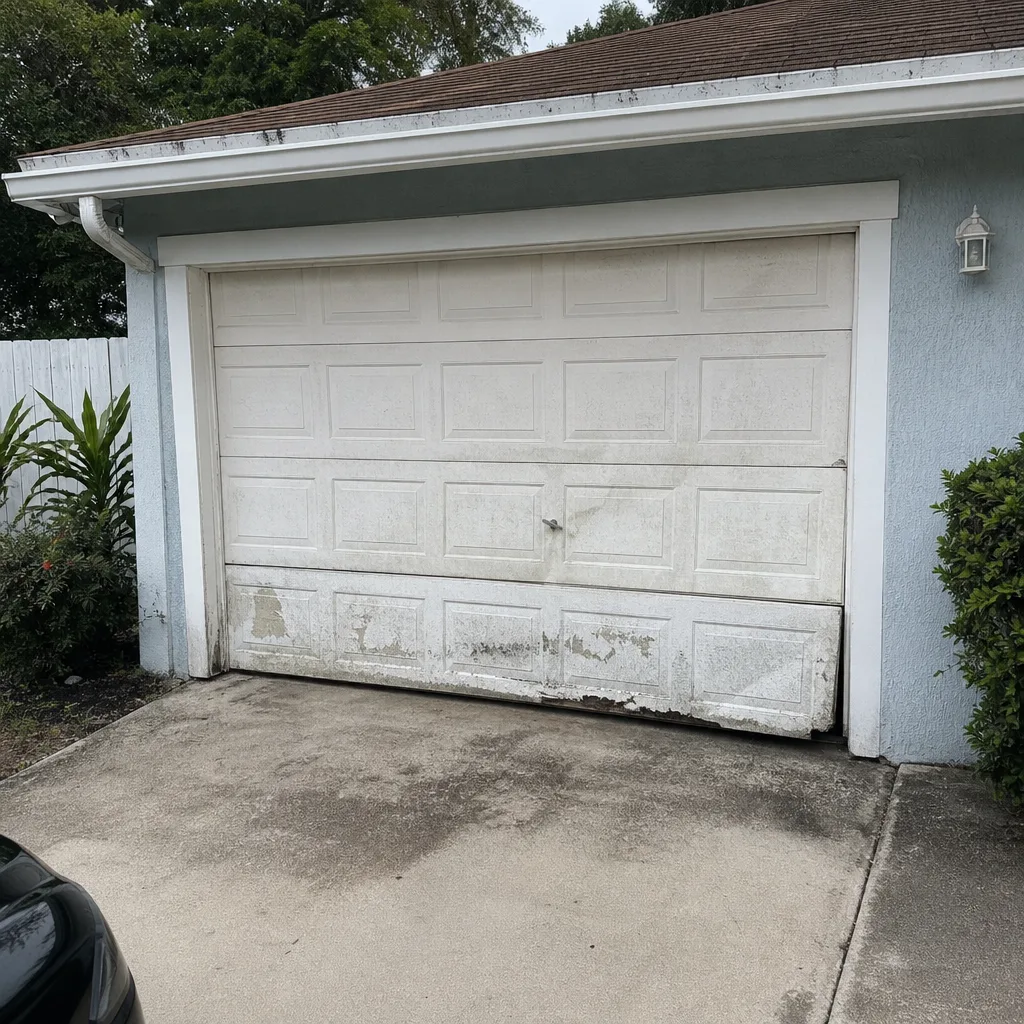
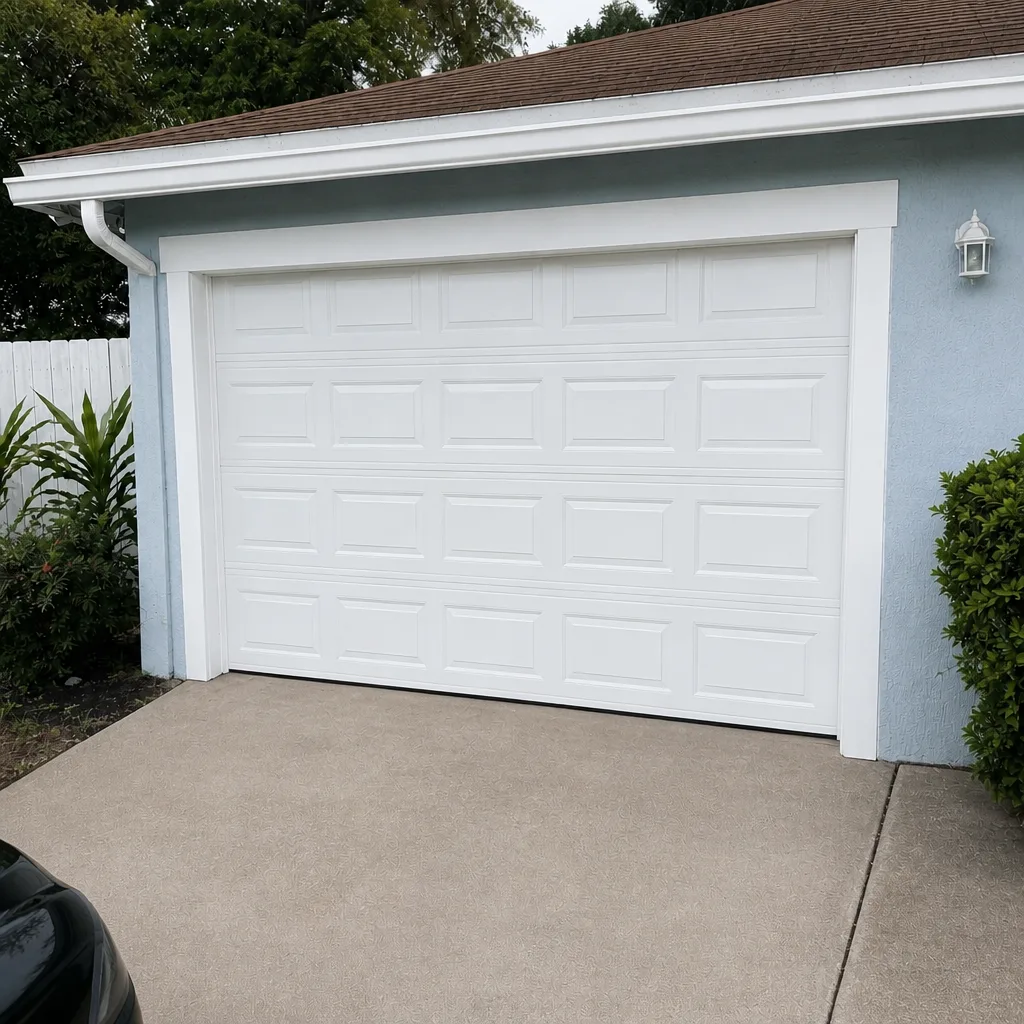
See the difference
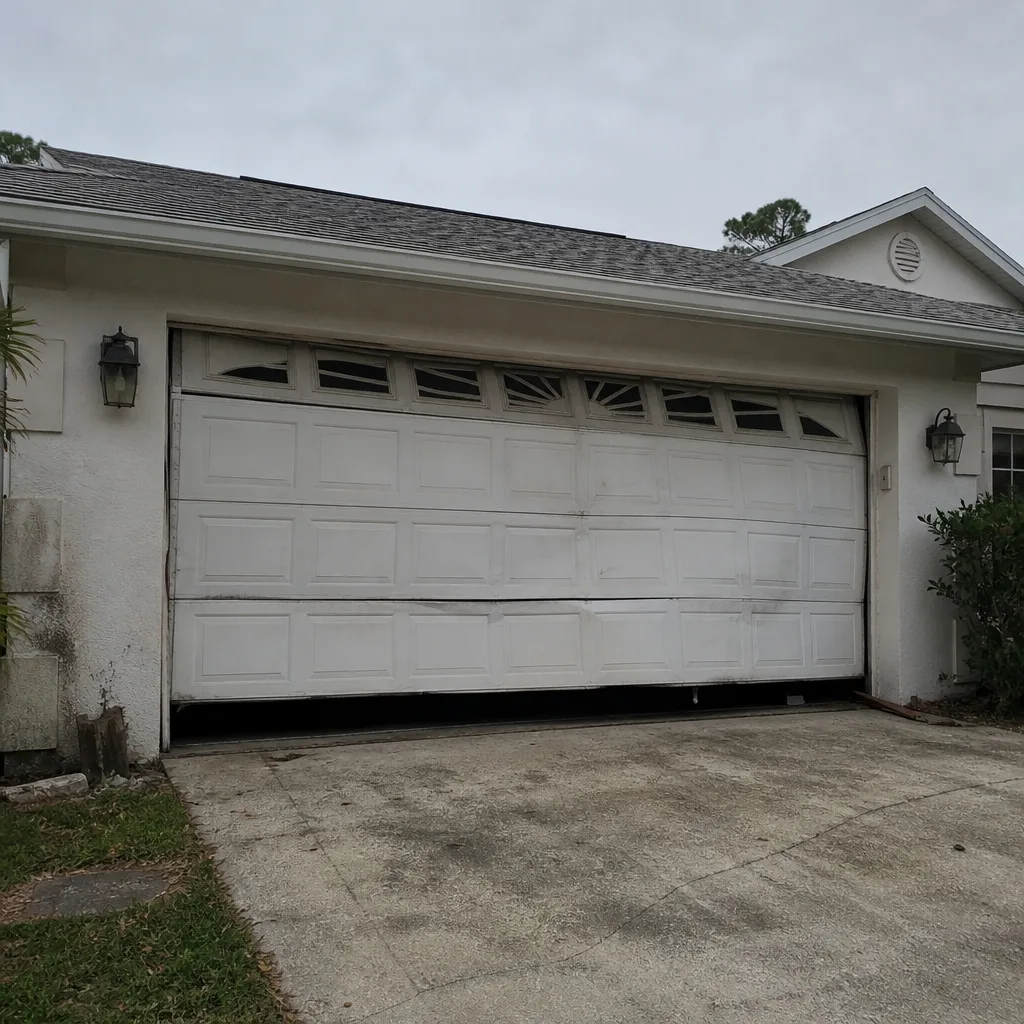 Before
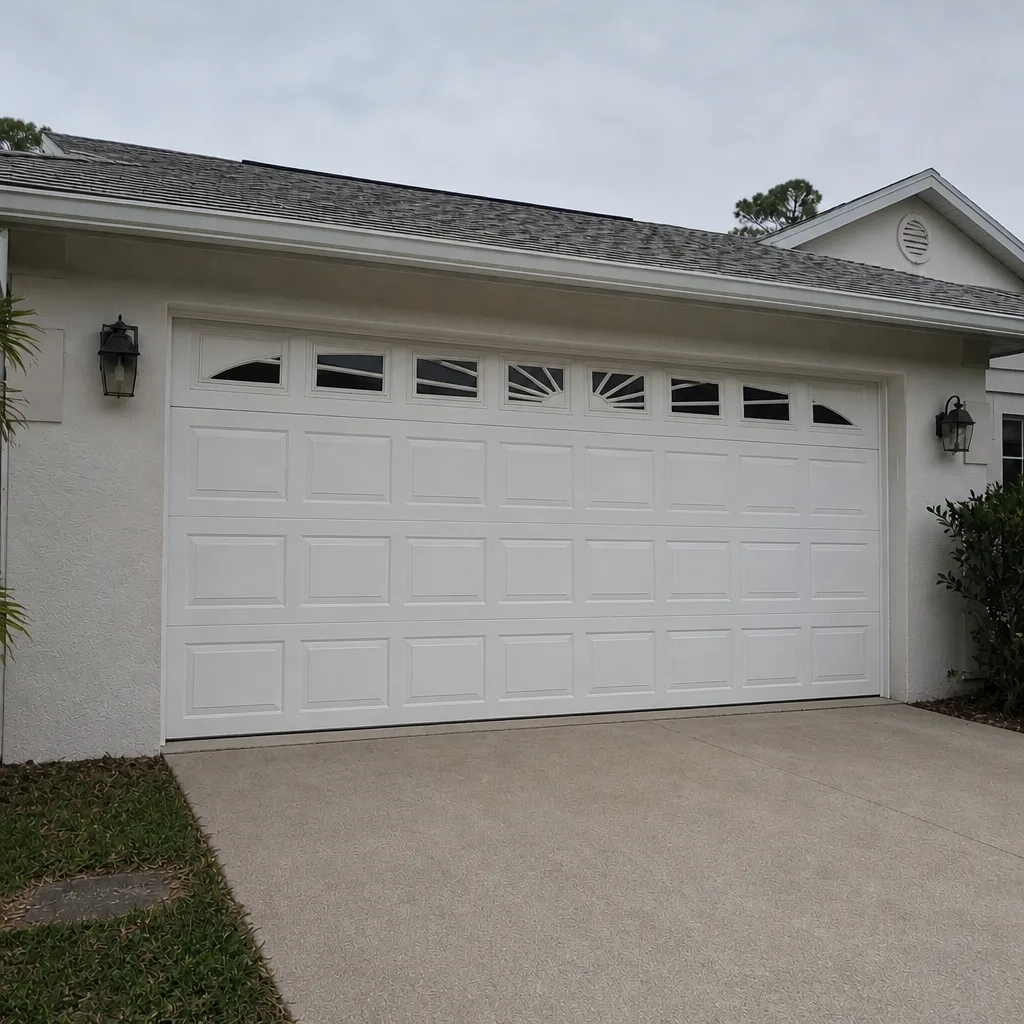 After
 Before
 After
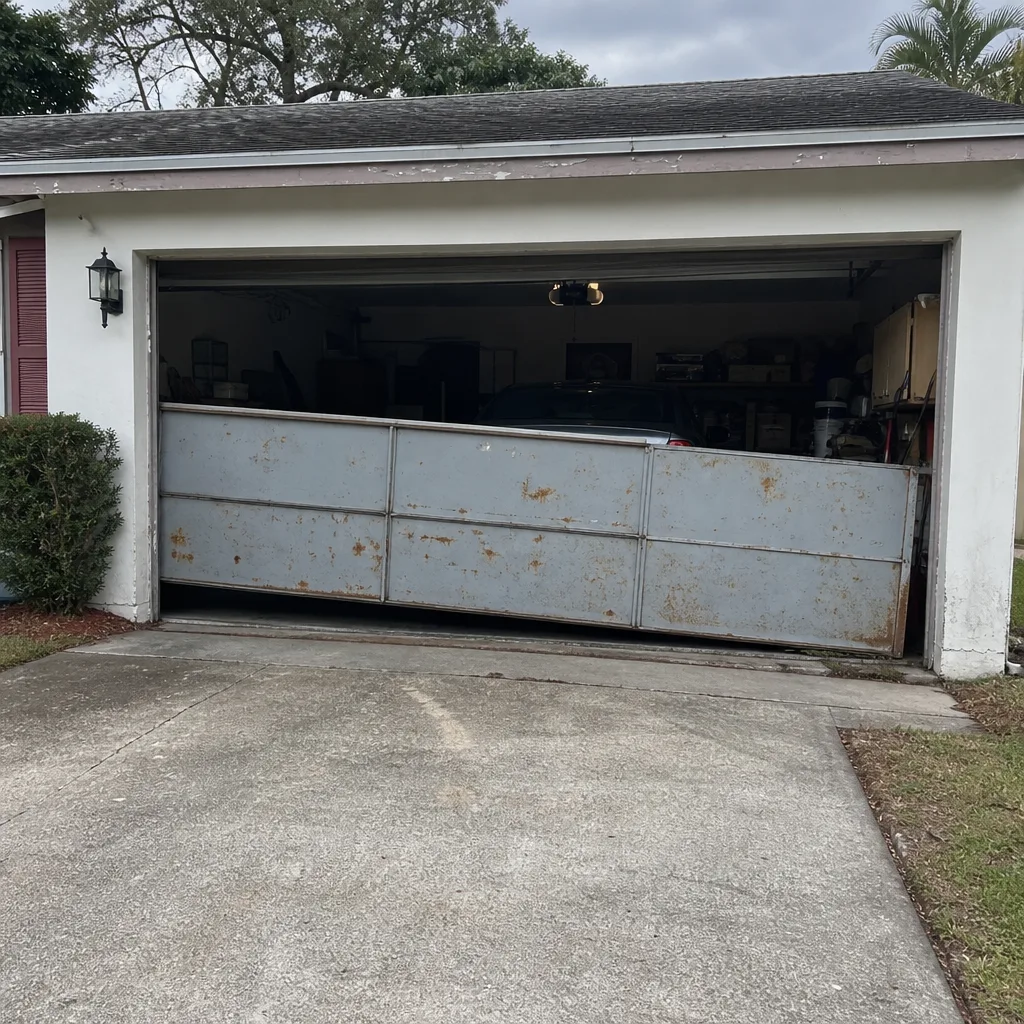 Before
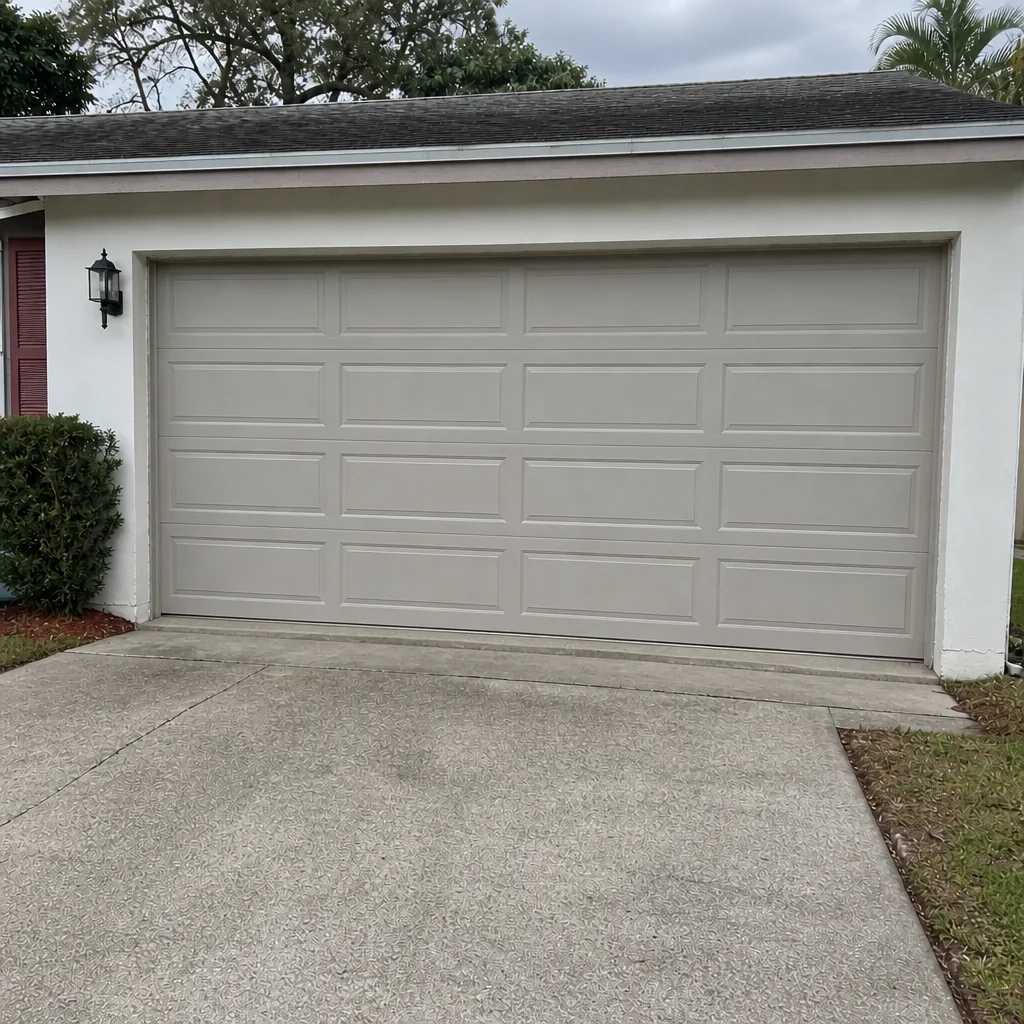 After
Common Mistakes to Avoid
- Comparing installed prices without breaking out the line items. Two $2,000 quotes can contain very different products. Ask both contractors what the door product, hardware, permit, labor, and disposal break down to before deciding. A difference in the permit line means the quotes aren’t really comparable.
- Accepting “standard hardware” without a rating. In Jupiter, the hardware rating is what ties the installation to code. A quote without an HVHZ-rated hardware line is asking you to trust a standard that may not exist. Ask for the rating in writing.
- Replacing a single-spring quote on a matched-pair system. Most modern doors use matched torsion springs that should be replaced together. A quote that names one spring at a single-spring price on a door that needs both will land you with a second invoice for the pair. Ask which applies.
- Skipping the permit to save the fee. The permit cost is honest and specific. Skipping it delays the real cost to the sale of your home or to a future insurance inspection. The savings is temporary and the risk isn’t.
- Replacing the opener with the door when it doesn’t need replacing. A functional opener under 8 years old usually pairs with a new door. Ask before bundling, and ask whether the rail and safety sensors are reusable. It’s often the difference between $350 and $850.
- Choosing a repair when the hardware cluster has already failed twice. If two separate components have failed within two years, the system is past the point where piecemeal repair pays. The replacement math usually wins at the second failure, not the third.
- Calling a general handyman for spring work. Torsion springs are under high tension and genuinely dangerous to handle outside a professional setting. A general handyman is not the right call for a spring failure, and in a Jupiter door the spring is the most common failure point.
When to Call a Professional
Some garage door issues are safe to check yourself, and some are genuinely dangerous. The line between them is clear. Call a professional when a spring has broken or looks stretched, when the door has come off its tracks, when the opener runs but the door doesn’t move, when the door reverses on its own, or when the panels no longer sit flush. Torsion springs and cables are under high tension and should never be adjusted or removed by anyone without the training to do it, and this is not a repair to attempt from a video. Call when a single panel is bent and the track is still true, because that repair is short and cheap; call before trying to bend it back. A technician who works on spring failure regularly will catch what a homeowner won’t see, which is the surrounding hardware condition. We answer 24/7. Fast dispatch from 7am to 7pm, Sunday through Friday. For a scheduled replacement, Jupiter Garage Door Repair Co offers free written estimates across Jupiter; call (877) 492-2107 to set one up.
Frequently Asked Questions
A single-car garage door replacement in Jupiter typically runs $1,600 to $2,800 installed in 2026, including HVHZ-rated hardware, Palm Beach County permit, labor, and haul-away. A double-car door usually lands between $2,400 and $4,200. The door product is less than half the total; the storm-rated hardware, permit, and disposal make up the rest. Call (877) 492-2107 for an exact quote; estimates are free.
Jupiter sits in a High-Velocity Hurricane Zone, which requires HVHZ-rated doors and hardware, and Palm Beach County requires a permit and inspection on every replacement. Those two lines alone add several hundred dollars compared with a market that doesn’t have storm-rating or inspection requirements. The labor rate in the Jupiter service market is also higher than the national average. Call (877) 492-2107 for a line-item estimate on your specific door.
Yes, spring, opener, track, and roller repairs are commonly completed the same day in Jupiter when the part is on hand and the failure is straightforward. We answer 24/7, with fast dispatch from 7am to 7pm Sunday through Friday, and closed Saturday. A call outside dispatch hours is booked into the next opening. Installation and full replacement are measured, ordered, and scheduled. Call (877) 492-2107 for same-day repair availability.
No, the price is quoted and agreed before any work starts. If a technician arrives and the job turns out to be different from the estimate, we tell you what changed and give you a revised price before any work begins. The written quote is the price. Call (877) 492-2107 to schedule a free estimate and get a firm number.
The independent local professionals we connect you with are licensed and insured as Florida requires, and we work only with vetted pros. Spring repair and opener work are handled by technicians who perform these jobs regularly, not occasionally. Our technicians have up to 14 years of experience across the major door and opener brands, including LiftMaster, Chamberlain, Genie, Clopay, Amarr, Wayne Dalton, Craftsman, and Raynor. Call (877) 492-2107 for a free estimate.
On a 10-year-old door in Jupiter, repair typically stops making financial sense once it reaches about 50% of the replacement cost for a single major failure, and clearly stops at 70% for accumulating failures. In dollar terms, that’s around $800 to $1,100 for a single-car steel door. Two separate component failures within two years is the clearest sign that replacement wins. Call (877) 492-2107 for a free repair versus replace assessment.
The Bottom Line
Garage door pricing in Jupiter carries a real premium over the national averages, and it’s not markup. HVHZ-rated hardware, Palm Beach County permits, and the elevated wear rate from year-round UV and humidity all sit inside that number. The good news is the premium is predictable once you know the line items. Ask for a written estimate that separates the door product, the HVHZ-rated hardware set, the permit, labor, and haul-away, and confirm whether the opener work is included or separate. For a repair, confirm spring count before agreeing to a price. And whatever brand is on your door, from a Clopay panel to an Amarr track to a Genie opener, the job starts with a free written estimate and ends with a price that was agreed before the work began. That’s the standard we hold at Jupiter Garage Door Repair Co across Jupiter.
Ready for a real number on your door? Call (877) 492-2107 for a free written estimate. We answer 24/7, with fast dispatch from 7am to 7pm, Sunday through Friday.
Written by the team at Jupiter Garage Door Repair Co.