
Last updated November 23, 2026
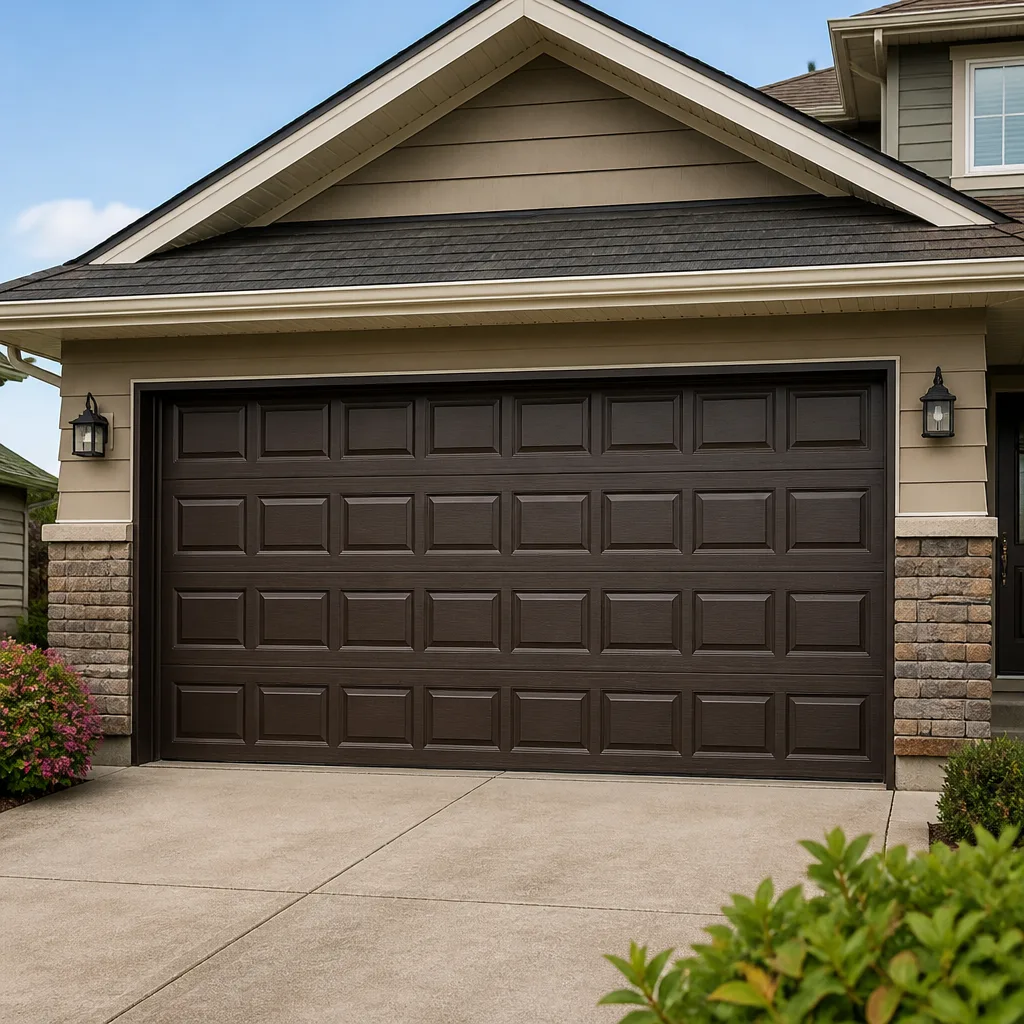 Raised-panel steel
 Carriage house
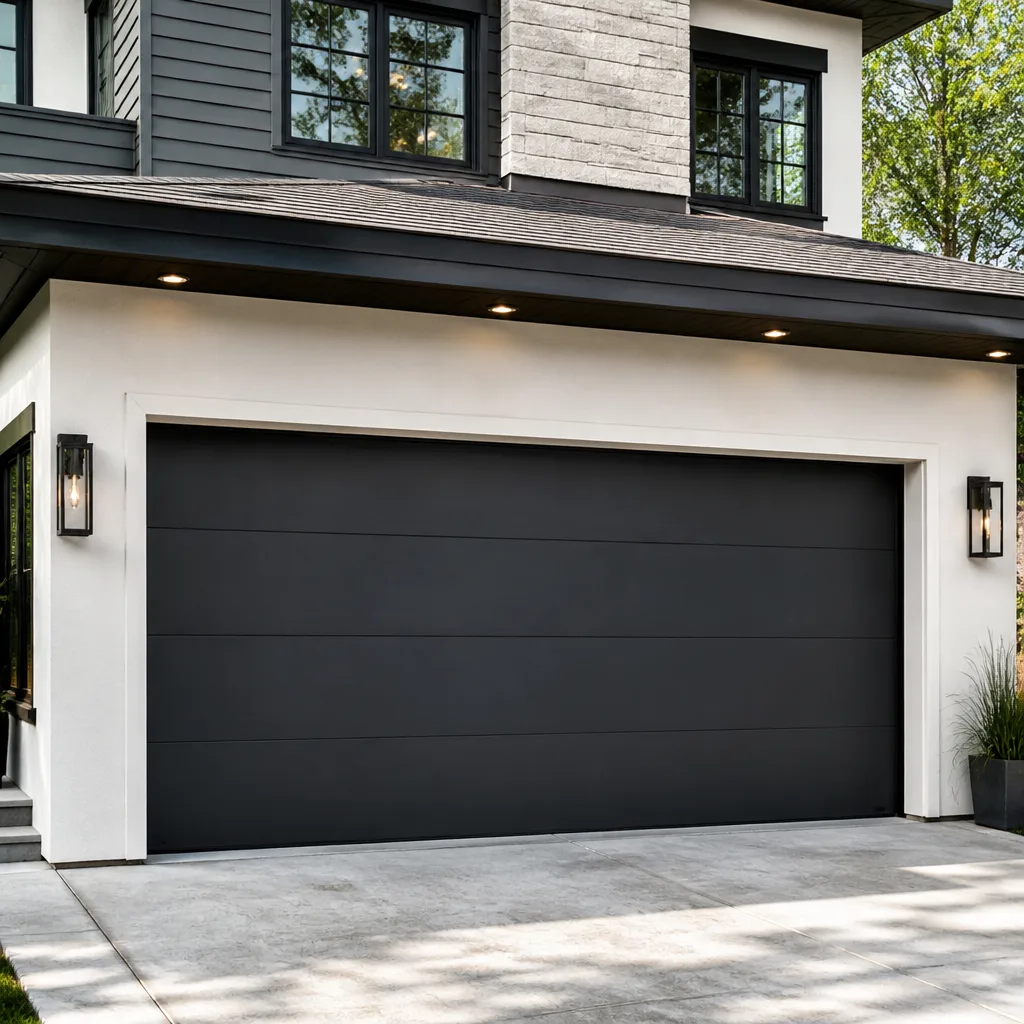 Modern flush
 Full-view glass
 LiftMaster openers
 Chamberlain openers
Full 25-point door and opener safety check with every visit - springs, cables, rollers, tracks, and your LiftMaster or Chamberlain opener included
You get a price before we start. It does not change when the pro arrives.
Get your free estimateGarage Door Warning Signs: A Jupiter Homeowner’s Reference Guide
Most garage door failures don’t arrive out of nowhere. They send signals first: a new sound, a door that feels heavier when you lift it, a panel that catches the light at a slightly different angle. The problem is that these signals show up on the way to the car, in the two minutes before school or work, and it’s easy to tell yourself the door will sort itself out. It usually doesn’t. In our experience, the calls that reach us with a snapped spring or a cable off its drum almost always follow a week or two of quieter symptoms the homeowner walked past every morning. This guide is about reading those signals early, sorting the harmless from the urgent, and knowing which problems in Jupiter warrant a same-day call. You’ll learn how to hear the difference between a squeaky roller and a failing cable, and how to triage what you find.
Quick Answer
The main garage door warning signs are unusual sounds (grinding, popping, rattling, squealing), a door that feels heavy to lift or slams down, reverse behavior on the opener, visible cable fraying, worn rollers, and hairline cracks in the panels. Some of these are safe to watch for a short while; others – frayed cables, a door off balance, opener hesitation – need professional attention before they fail completely. When in doubt, call. A free estimate costs nothing and beats a door that won’t shut.
Styles & brands we work with
- Raised-panel steel
- Carriage house
- Modern flush
- Full-view glass
- LiftMaster openers
- Chamberlain openers
Table of Contents
- The Mechanical Warning Signs That Matter Most
- Off Balance vs. Failing Cable: Two Problems That Look Alike
- What Your Garage Door’s Sounds Are Telling You
- Opener Behavior Flags and What They Mean
- Visual Inspection Points You Can Check From the Ground
- The Triage Framework: Monitor, Schedule, or Call Today
- Reading the Signs in a Jupiter Climate
- Common Mistakes to Avoid
The Mechanical Warning Signs That Matter Most
Your garage door is a balanced system. Springs carry the weight, cables transfer that spring tension, rollers guide the panels along the track, and the opener pulls it all. When one part starts to go, the others compensate, and that compensation is what you notice first if you know what to look for. Most of the serious failures we diagnose in Jupiter begin with one of these signals.
Here are the mechanical warning signs worth paying attention to:
- A door that feels heavier than usual when you disconnect the opener and lift it by hand. A properly balanced door lifts with one hand and stays where you leave it. If yours takes real effort or crashes down, the spring system is losing tension.
- Visible gaps between coils on the torsion spring above the door. A healthy torsion spring has tightly wound coils. A gap means the spring has stretched or begun to break.
- Cables that look fuzzy or kinked. The cables running down each side of the door should be smooth and tight. A cable that’s fraying, has loose strands, or is hanging slack is close to failing.
- Rollers that wobble or look flat-spotted. Nylon and steel rollers wear unevenly; a flat spot means the roller is skipping through the track.
- Panels with hairline cracks near the hinges. Steel and wood composite doors can develop stress cracks at fastening points, especially on doors that get used heavily.
None of these are cosmetic. Each one is a component telling you it’s near the end of its working life. Whether you can wait a week or need help today depends on which component is talking – and that’s the distinction we get into next.
If you’ve found one of these signs and want a technician to confirm what you’re seeing, our garage door repair team can do a full inspection and give you a written scope of what actually needs fixing.
Off Balance vs. Failing Cable: Two Problems That Look Alike
These two problems produce nearly identical symptoms at the door, but they come with different urgency levels and different repair scopes. A door that’s off balance is a tension and adjustment problem. A failing cable is a safety hazard. The tricky part is that a failing cable usually causes the imbalance, so you can see both signs at once and assume it’s just an adjustment.
Here’s how to tell them apart from the ground:
- Disconnect the opener and lift the door halfway. Let go. If the door settles back down or rises on its own, it’s off balance. If it holds roughly where you left it but the door is clearly crooked on one side, that’s a cable or spring problem.
- Look at the door’s horizontal lines. An off-balance door sits level but feels heavy. A cable issue usually makes one side of the door sag slightly, so the horizontal panel lines don’t run parallel to the floor.
- Inspect both cables from the side. A healthy cable is a continuous, smooth line from the drum to the bottom bracket. A failing cable has kinks, stray strands, or a slack loop.
- Listen for a single sharp pop. If you’ve heard one loud pop and the door hasn’t moved since, that’s most likely a broken spring – treat it as a stop-use event, not a balance issue.
A balance issue that’s purely an adjustment (track alignment, spring tension) can sometimes wait a few days. A frayed or slack cable cannot. If a cable snaps while the door is up, the door can drop – and that’s a genuine danger, not just an inconvenience. Cables are under high tension and shouldn’t be handled or tightened by anyone without training. When in doubt, treat it as a cable problem and call.
Spring and cable work is high-risk, and our technicians treat it that way. Our garage door spring repair specialty exists because torsion and extension springs are the most dangerous part of the whole system. If a spring has snapped, many Jupiter homeowners call us specifically because they don’t want a general handyman near that assembly.
What Your Garage Door’s Sounds Are Telling You
Sound is the fastest diagnostic tool you have. You don’t need to know the model number to know your door sounds wrong. What changes is the timing of the noise and the part of the cycle it happens on. Different sounds point to different components.
- Grinding: metal-on-metal contact. Often a worn bearing, a dry torsion tube, or a roller that’s seized and dragging through the track rather than rolling.
- Popping: a single loud pop is almost always a broken spring. Repeated smaller pops as the door moves usually mean a worn hinge or a loose panel bolt working against the track.
- Rattling: loose hardware – hinges, bolts, rollers in their brackets. Often harmless on its own, but worth tightening before it vibrates something loose.
- Squealing: dry rollers, dry hinges, or a dry spring. Usually the easiest sound to fix, but ignoring it accelerates wear on every other part.
- Banging at the top of travel: the opener is lifting past the door’s travel limit. That means the opener’s force and limit settings are off, or the door has changed balance and the opener is overworking.
In Jupiter, humidity is the main driver behind most of these noises. Metal hardware, hinges, and spring coils are constantly exposed to warm, moist air, and that’s what turns a dry hinge into a rusty one and a snug torsion tube into a squeaking shaft. We see a lot of doors that would have gone another year or two with a small amount of lubrication along the way. If you’re hearing one of these sounds, you’re not at risk of a dramatic failure yet – you’re at the point where a small amount of preventive maintenance saves money.
One rule of thumb: a sound that appears only occasionally is usually a maintenance issue. A sound that gets louder or more frequent over a couple of weeks is a component working its way to failure.
Opener Behavior Flags and What They Mean
Your opener’s behavior is often the first thing to signal a problem, because it’s the part of the system you interact with every trip. A well-maintained opener runs the door up and down without drama. When it starts doing something new, the behavior usually points to a specific component, whether it’s a LiftMaster, Chamberlain, Genie, Craftsman, or another brand on the wall.
Here’s how to map common opener behavior to what’s likely happening:
- The opener hesitates at the start or in the middle of travel. Usually a capacitor or gear wearing in the motor, or the opener fighting a door that has gone off balance. If the door moves freely by hand, the opener itself is the suspect.
- The door reverses without an obstruction. The safety sensors are either misaligned, dirty, or failing. Sometimes it’s the logic board misreading a sensor signal. This is a real problem – a door that reverses randomly is unsafe for kids and pets.
- The door only opens partway and stops. Travel limits have drifted, or the opener’s force setting is too low and it’s stalling against the load.
- The opener runs but the door doesn’t move. The drive gear or rail is slipping, or the manual release on the trolley has been left engaged.
- The remote or wall button works intermittently. A remote battery is the first thing to check, but if the same problem happens with the wall button, the opener’s logic board or antenna is the more likely issue.
Opener problems are rarely urgent on the same level as a broken spring or a bad cable, but they’re also rarely fixable with a quick reset once a mechanical part has started to fail. If your opener is hesitating or reversing, our garage door opener repair team can diagnose it and tell you whether it’s a sensor, a part, or an opener that’s reached the end of its service life. We work with the major opener brands, so you’ll get a diagnosis on your actual system rather than a guess.
Don’t keep forcing an opener that’s fighting the door. Each cycle adds strain to the motor and to the door’s hardware, and a $40 part can turn into a full opener replacement if the motor burns out.
Visual Inspection Points You Can Check From the Ground
You don’t need to climb a ladder to spot a lot of warning signs. A quick walk around the door with a flashlight, from the floor, covers most of what you need. Do it once a month and you’ll catch problems while they’re still cheap to fix.
Here’s a simple visual checklist you can run through:
- Cables on both sides: smooth, tight, uncut, no fuzzy strands. Look for slack loops or cables that have slipped off the drum.
- Rollers in the track: each roller should sit neatly in the track without wobbling. Look for a roller that’s dragging at an angle or has a visible flat spot.
- Hinges and brackets: snug against the panel, no rust bubbling through the paint. Rust at the hinge point is common in Jupiter’s humidity and is worth treating early.
- Panels: no cracks radiating from hinges or at the bottom edge, no visible dents that could distort the door’s travel.
- Tracks: straight, clean, no dents or debris. A bent track will force the rollers to skip, and that becomes a much bigger problem within a few weeks.
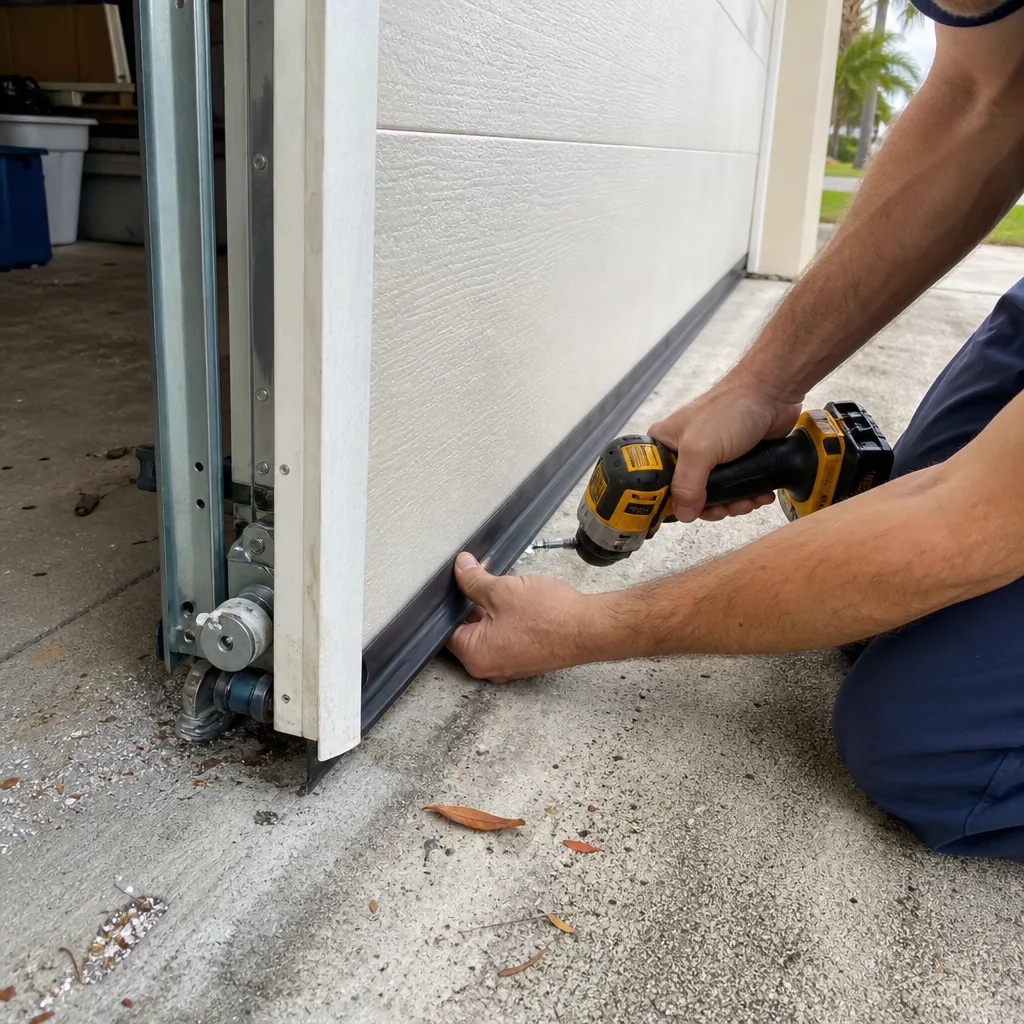
- Weather seal at the bottom: intact, still flexible, touching the floor across the full width. A dried-out or torn seal lets water and debris in and is often the first thing to fail in humid climates.
- Spring assembly above the door (from the ground, not up close): coils should look evenly wound. A clear gap in the coils means the spring has stretched or broken.
The one thing you should never check up close is the spring-and-cable assembly itself. Torsion springs store enormous energy, and if you don’t know how they’re wound and how to release them, they can cause serious injury. Look from the ground. If something looks wrong, call a trained professional. That’s the one component in this trade we genuinely want you to leave alone.
For a full inspection across the whole system, our team at Jupiter Garage Door Repair Co can walk the door with you and give you a written scope. It costs nothing to find out whether you’re looking at a minor adjustment or a real repair.
The Triage Framework: Monitor, Schedule, or Call Today
Not every warning sign is an emergency, and treating them all the same wastes your money and our time. A useful rule is to sort what you find into three buckets: monitor for a couple of weeks, schedule a service visit when it’s convenient, or stop using the door and call today. Here’s how that works in practice.
Monitor (check again in a week):
- Occasional squeaking or rattling that appears on some cycles but not others
- A weather seal that’s slightly worn but still sealing
- Small dents that don’t affect the door’s travel
- Slight rust on hinges that hasn’t spread
Schedule (book within a few weeks):
- Grinding or squealing that happens on every cycle
- A door that’s off balance but not crooked
- An opener that hesitates but still completes travel
- Worn rollers you can see from the ground
- Hairline cracks at hinges or fastening points
Stop using the door and call today:
- A loud pop followed by a door that won’t lift (broken spring)
- A slack, kinked, or frayed cable
- A door that’s visibly crooked when closed
- An opener that reverses without obstruction or drops the door
- A door that comes off the track or feels like it’s about to
The most common mistake we see is a homeowner putting a stop-use issue into the “watch it” bucket. A broken spring doesn’t heal, and running the opener against it will damage the opener and the door’s hardware. Whatever brand is on your door – Chamberlain, Genie, Clopay, Amarr, or anything else – a stop-use sign means stop. We answer 24/7. Fast dispatch from 7am to 7pm, Sunday through Friday, and if it’s outside that window we’ll book you into the next opening.
Reading the Signs in a Jupiter Climate
The warning signs are the same anywhere, but what causes them is different here. Jupiter’s warm, humid air is the single biggest factor in how a garage door ages. Metal hardware, cables, hinges, and spring coils are exposed to moisture on a daily basis, and the same cycle that would take years to rust a hinge in a dry climate can take months here.
That affects the signals you’ll see:
- Cables tend to fail by fraying before they snap. Humidity accelerates corrosion at the crimps and the drum, and the first visible clue is usually a slight roughness on the cable surface.
- Rollers go dry and squeal sooner. A dry roller is noisier in humid climates because the bearing races collect grit. Regular lubrication is a real preventive measure here.
- Hinges and bolts rust at the panel seams. Look at panel seams, not the middle of the panel. That’s where moisture collects first.
- Weather seals dry out and split faster. A cracked bottom seal is a slow, cheap fix if you catch it and a bigger headache if you don’t.
- Springs can look fine and still be losing tension. Visible rust or visible coil gaps are both signals; a spring that’s just lost tension won’t look broken, but the door will feel heavier than it did last month.
For Jupiter specifically, we recommend a quick visual check monthly and a professional inspection any time something changes. That goes double if your door faces the afternoon sun or sits under a tree that drops debris into the tracks.
If your home is one of the many in the area with a mixed set of brands – a Clopay panel door, a Chamberlain opener, an older Raynor on a rental property – it helps to have one company that handles all of it. Whatever brand is on your door, we know it. Eight major brands, one service call.
Common Mistakes to Avoid
- Assuming a heavier-feeling door is normal. If your door felt different last month, it’s not “just how it is now.” A door that gets steadily heavier is a sign the spring system is losing tension and will eventually fail.
- Tightening the springs yourself. This is the one component you should never touch. Torsion and extension springs are under enormous tension, and improper adjustments are one of the most common ways homeowners get seriously hurt.
- Running the opener on a door that’s clearly straining. Every cycle adds wear to the motor and gear. The small amount you save in convenience costs more when the opener fails too.
- Using a handyman for cable or spring work. A general handyman can fix a track alignment or a loose bolt. Cables and springs need a technician who does that work routinely, not occasionally.
- Waiting until the door won’t close at all. A door that won’t close leaves the garage, and in many cases the house, exposed. Catching a problem two weeks early is often the difference between an adjustment and a full replacement.
- Ignoring a change in sound because the door still works. A door that still opens isn’t necessarily a door that’s safe to keep opening. Sound is the cheapest diagnostic tool you have.
- Buying a new opener to fix a door problem. If the door feels heavy or crooked, the opener isn’t the problem – the door is. Replacing the opener without addressing the door will just fatigue the new one faster.
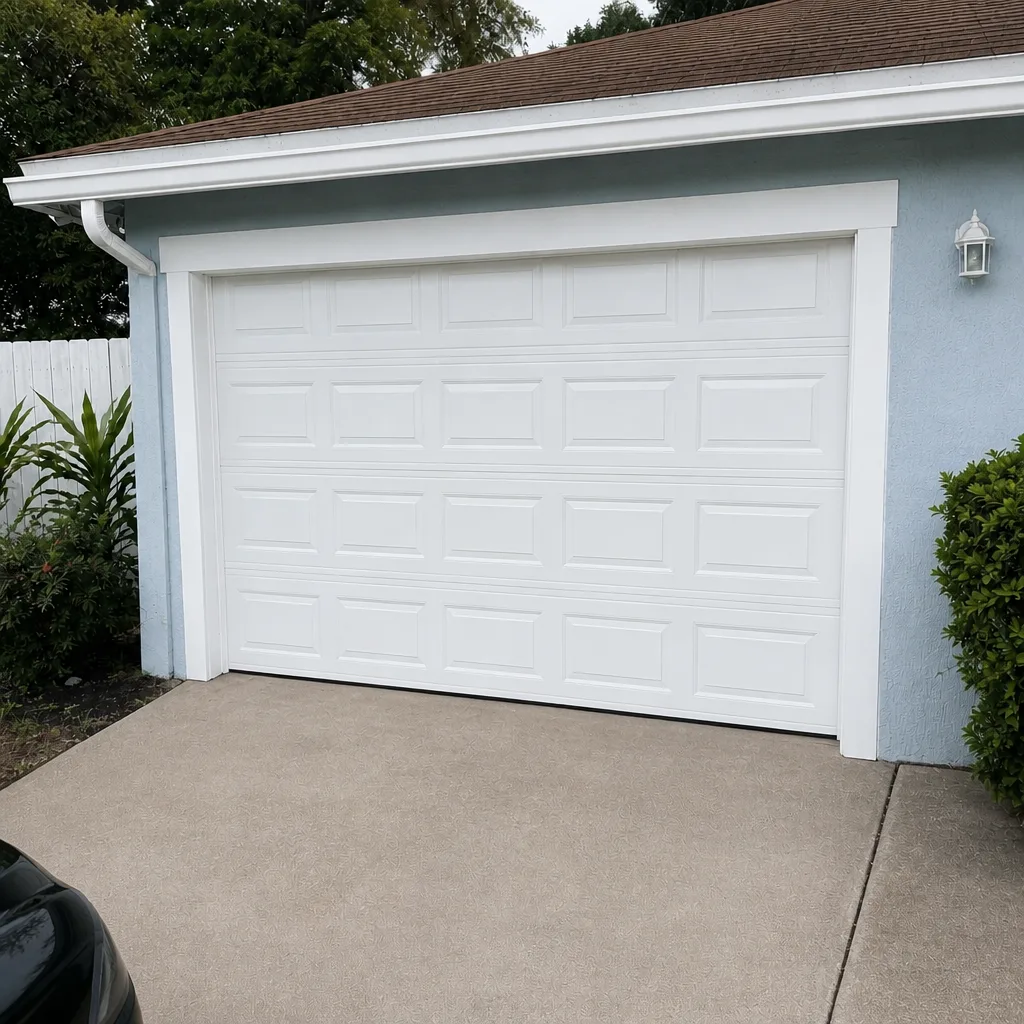
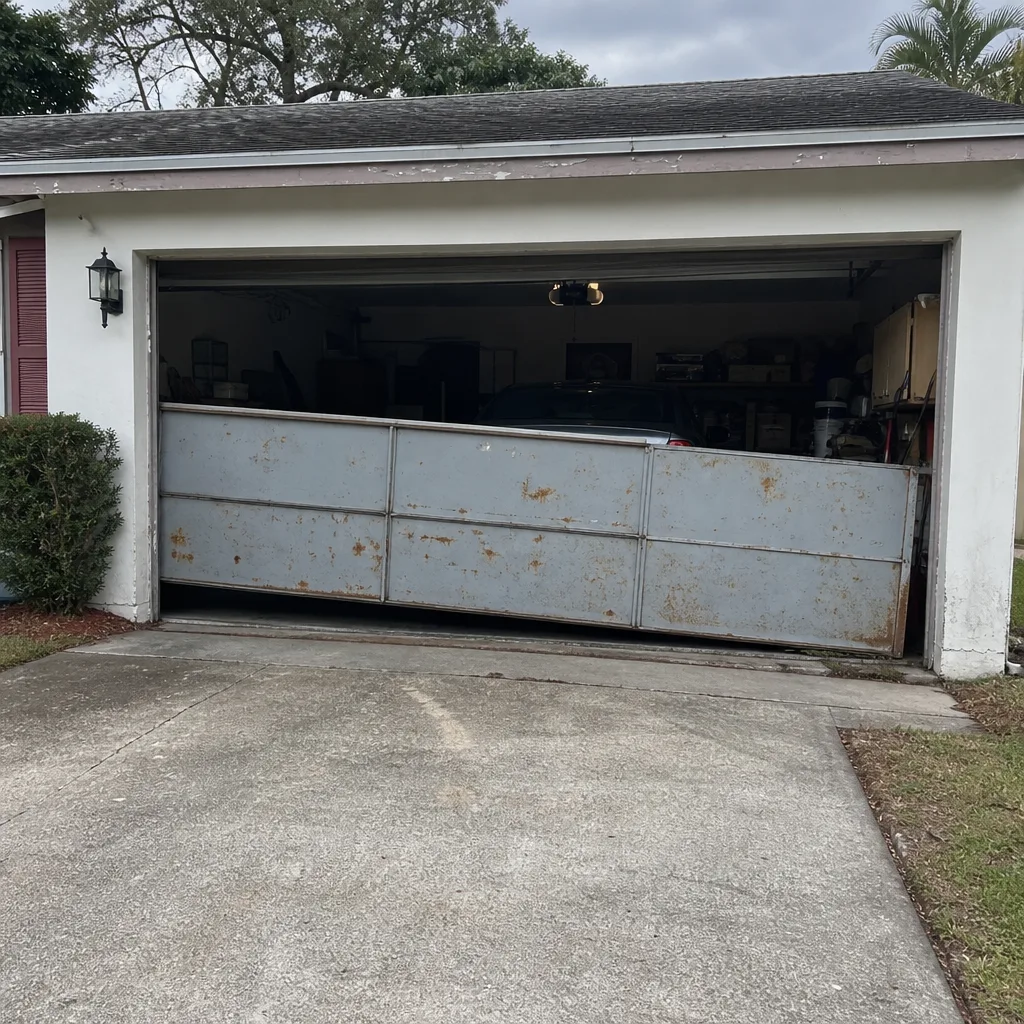
See the difference
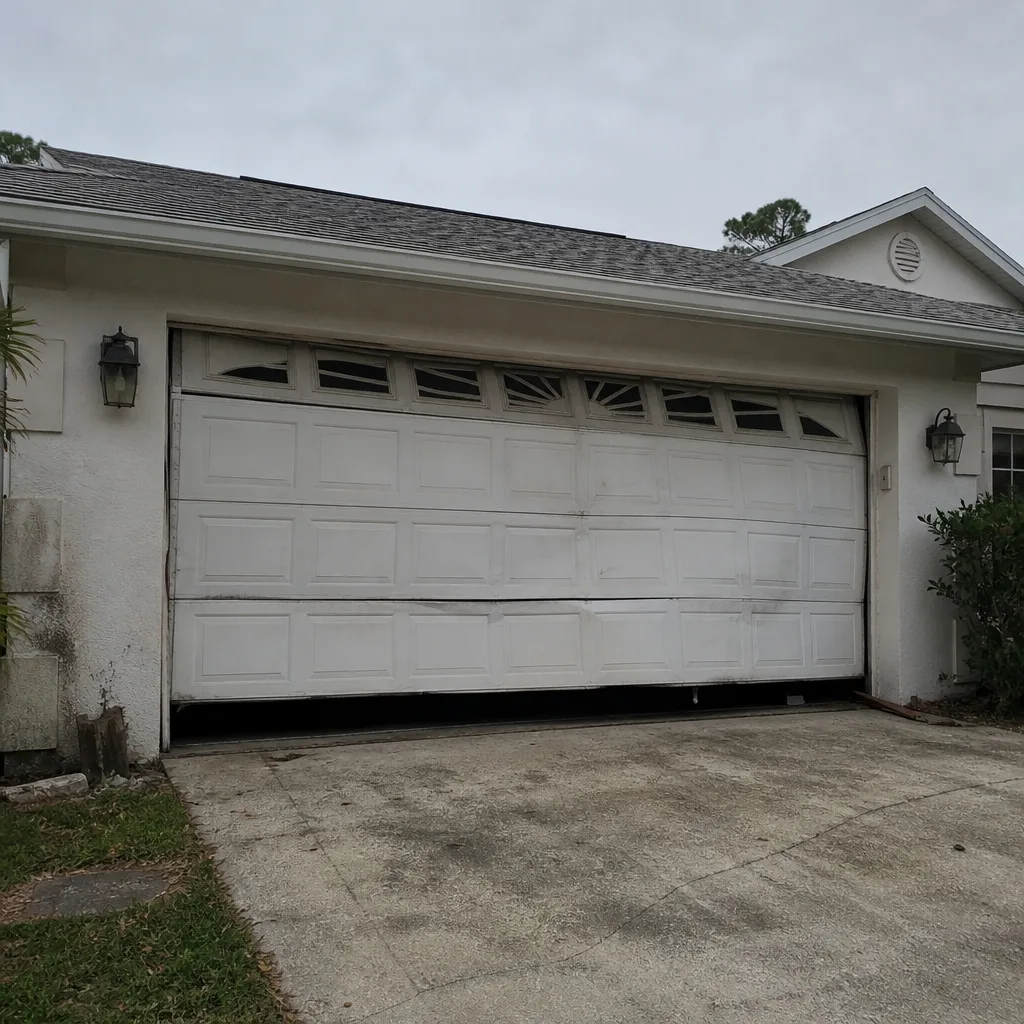 Before
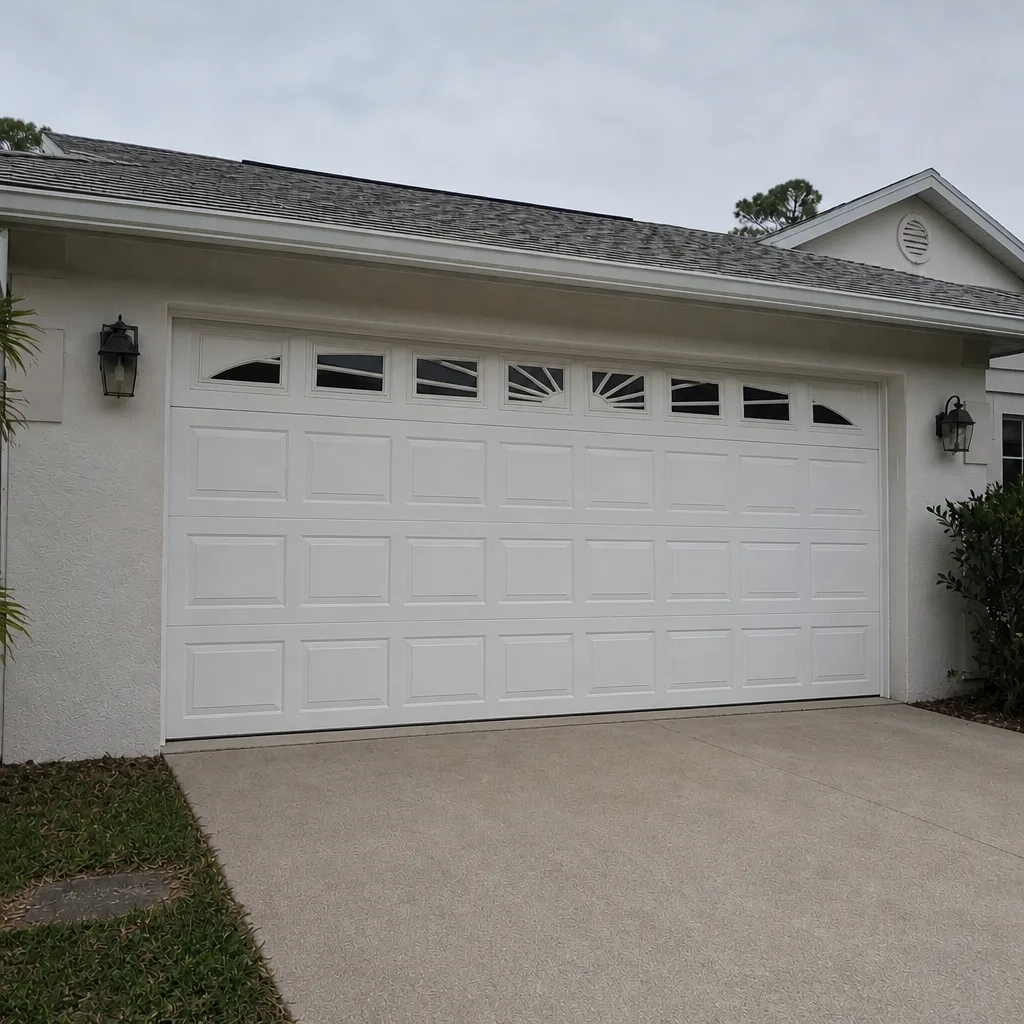 After
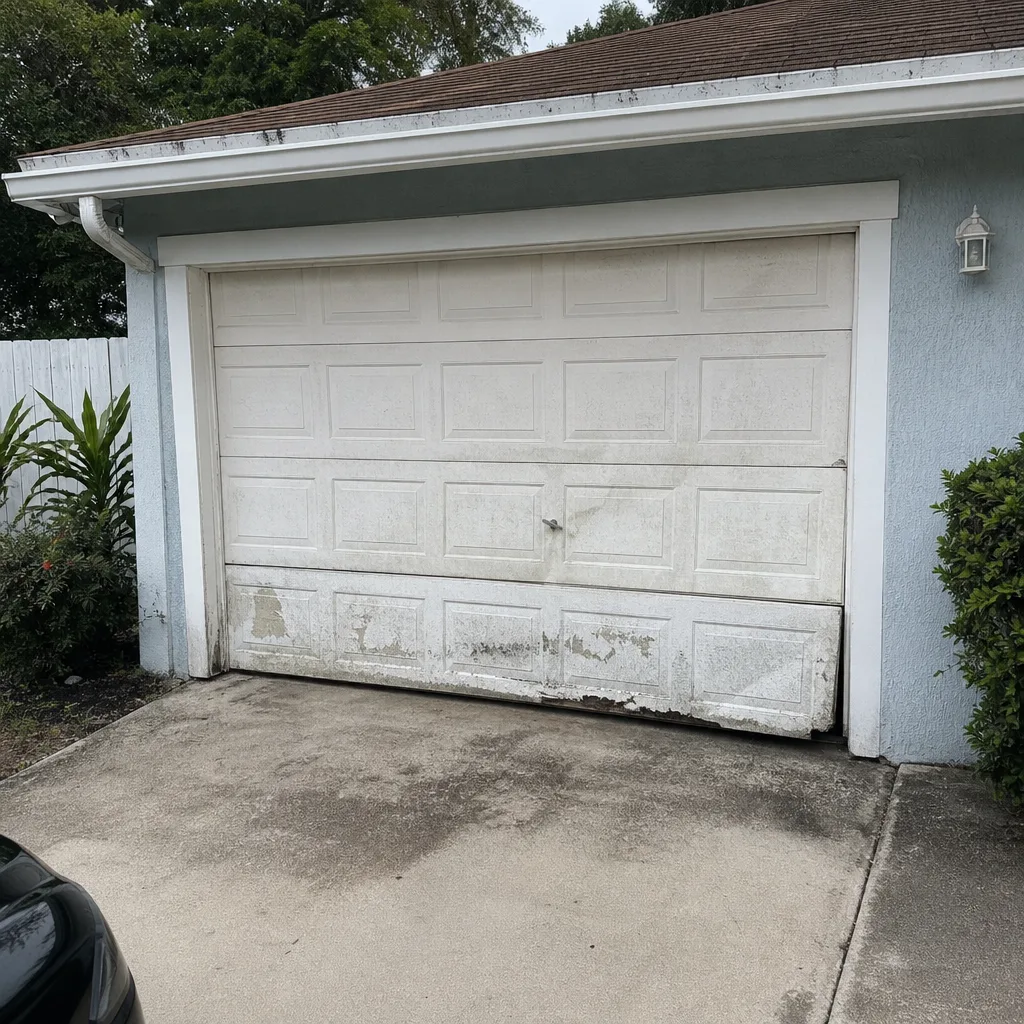 Before
 After
 Before
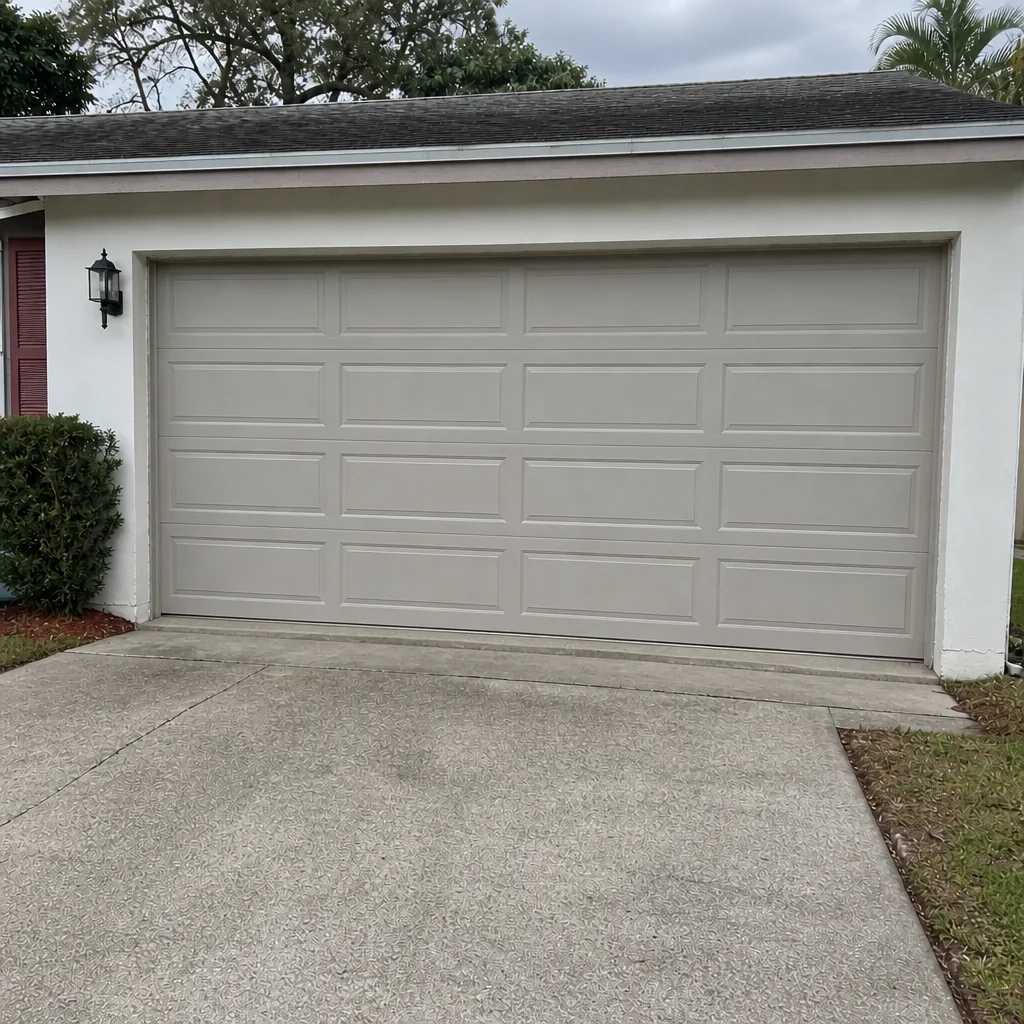 After
When to Call a Professional
Call a professional the moment you see a snapped spring, a frayed or slack cable, a door that’s crooked when closed, or an opener that reverses without obstruction. Those are genuine hazards, and they don’t improve with time. Call soon if you notice persistent grinding, a door that’s off balance, an opener that hesitates, or worn rollers. Call for a routine inspection if you’ve never had the door looked at since you moved in, or if it’s been more than a couple of years since anyone checked the springs, cables, and rollers.
Our technicians are trained on eight leading brands and have up to 14 years of experience, and we treat spring and cable work as the specialty it is. Jupiter Garage Door Repair Co offers free estimates in Jupiter – call (877) 492-2107. We answer 24/7. Fast dispatch from 7am to 7pm, Sunday through Friday. We’re closed on Saturday.
Frequently Asked Questions
A door that feels heavier than usual when you lift it by hand is usually the first sign of a spring losing tension. A visible gap in the coils of a torsion spring, or a single loud pop followed by a door that won’t lift, is a more definite sign of a failed or snapped spring. Either way, stop using the door and call. Call (877) 492-2107 for an exact quote – estimates are free.
No. Some noise is normal, especially on an older door. What matters is a change in the noise pattern – a new grind, a new pop, a squeal that gets louder each week. A steady sound your door has always made is usually not a concern; a new sound is. If your door has started making a new sound, call (877) 492-2107 and we’ll tell you whether it’s worth a look.
No. A frayed cable is a working cable that has started to fail, and if it snaps while the door is open the door can drop. Treat any visible cable damage as a stop-use sign, leave the door where it is, and call for service. Call (877) 492-2107 and we’ll get a technician out to look at it.
It’s urgent enough to stop and check. An opener that reverses without an obstruction is usually a misaligned or dirty safety sensor, but it can also be a failing logic board. In either case, the door isn’t reliably safe to operate, especially with kids or pets nearby. Call (877) 492-2107 and we’ll diagnose the sensor or the opener.
Torsion and extension spring replacement is priced per spring, typically in the $180 to $340 range for one spring. Springs are usually replaced as a matched pair, so a pair runs roughly double that. Your written estimate sets the final price after the technician inspects the door, and you’ll have the quote and agree to it before any work starts. Call (877) 492-2107 for an exact quote – estimates are free.
Once a year is a good baseline for a Jupiter home, and sooner if you notice any change in sound, balance, or opener behavior. A short monthly visual walk-around from the ground catches most of the visible warning signs before they turn into a repair. Call (877) 492-2107 to book an inspection.
The Bottom Line
Garage door failures aren’t random – they almost always announce themselves first. A door that feels heavier, a new grind or pop, a cable that looks fuzzy, an opener that hesitates: those are the signals that separate a small fix from a stranded car or a snapped spring. Read them early, sort them into monitor, schedule, or call today, and never touch a spring or cable yourself. If you’ve found a sign and you’re not sure which bucket it belongs in, we’re happy to talk it through. Call (877) 492-2107 for a free estimate. We answer 24/7. Fast dispatch from 7am to 7pm, Sunday through Friday. We’re closed on Saturday.
Written by the team at Jupiter Garage Door Repair Co.